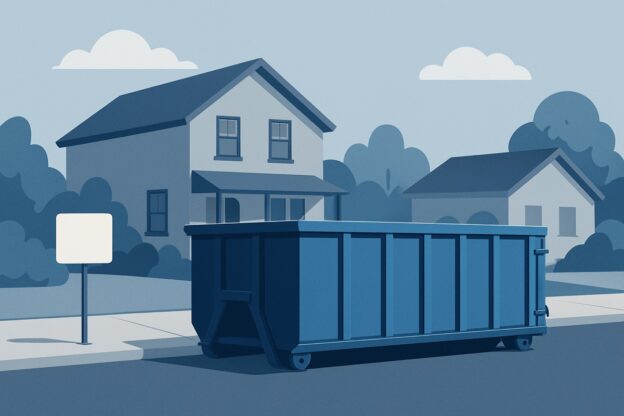
When you’re planning a home renovation or tackling a major cleanout, renting a dumpster can make the job much easier. But before you schedule that delivery, you might wonder if you need a permit to place a dumpster in your driveway. It’s a common concern for homeowners and property managers alike—especially when local rules and HOA guidelines aren’t always clear.
Getting this step right matters. A missed permit or an overlooked regulation can lead to fines, project delays, or unhappy neighbors. Whether you’re dealing with tight spaces, strict neighborhoods, or just want to avoid extra hassle, understanding the permit process helps you keep your project on track and stress-free.
Understanding Dumpster Permits
Understanding dumpster permits ensures you avoid fines, project delays, and neighborhood disputes during your renovation or cleanout. Permits typically become necessary if your dumpster blocks public property—for example, when it sits on a city street or sidewalk instead of entirely within your driveway. Most city regulations, not HOA bylaws, set these requirements. If your driveway can fully accommodate the dumpster without extending onto public property, you often skip the permit. Local municipalities set the rules, so check city codes for your address.
Permit requirements differ by jurisdiction and property type. Property managers working under HOA rules, such as those overseeing apartments or managed communities, often find added restrictions. Some homeowner associations require prior approval for visible dumpsters, no matter their placement, to preserve property appearance. Downtown businesses in high-traffic areas, like shopping centers, see even stricter permit enforcement to avoid blocking public access or violating parking rules.
Permit fees vary by city and can range from $10 to over $100 for residential placements, with higher rates possible in large metro areas. For commercial or industrial jobs, permit costs rise when dumpsters hold heavy or regulated waste types, or when swaps must happen quickly. Cities may deny permits for improper placement or restrict dumpster types to prevent damage to streets.
Moving quickly on permits helps guarantee any needed dumpster delivery aligns with project schedules. Waiting for approval sometimes adds several days, especially during busy seasons or city holidays. Researching your city or town’s application process and review timeline gives you control over project timing and helps you avoid costly pick-up or overage fees.
All consumer types—suburban homeowners, property managers, retail owners, and industrial operators—improve their experience by confirming permit requirements up front. Unexpected permit issues account for many of the frustration points reported during renovations and property cleanouts, according to recent data from local service directories and property management organizations.
When Is a Permit Required for a Dumpster in Your Driveway?
Permit requirements for a dumpster in your driveway depend on your property type, local regulations, and project location. Most residential projects on private driveways do not call for a permit, but placement rules for property managers and business owners may differ.
Factors That Determine Permit Needs
Permit needs for dumpster rentals stem from property location and local rules:
- Private Property: Driveway placements on single-family residences (examples: home renovations, cleanouts) rarely trigger permit needs unless local ordinances specify otherwise. Some municipalities require permits for any dumpster, regardless of location, particularly in densely regulated areas like Los Angeles County.
- Public Right-of-Way: Dumpsters that encroach on public streets or sidewalks (examples: multifamily unit cleanouts, urban storefront renovations) almost always require a city permit.
- HOA Rules: Properties governed by homeowner associations often require you to obtain HOA approval or permits in addition to city approval, especially in neighborhoods with visual or nuisance restrictions.
- Commercial Property: Projects at retail, office, or industrial sites can involve stricter requirements if dumpsters block customer access, loading zones, or public walkways.
Common Permit Exceptions
Some scenarios frequently call for exceptions or special permit considerations:
- Driveway Only Placement: Most cities don’t require a permit if the dumpster remains fully on your driveway without blocking sidewalks or roadways.
- HOA-Mandated Permits: Homeowner associations may override city rules, sometimes enforcing their own permits for visible dumpsters or limiting length of placement.
- Unique Municipal Codes: Individual cities—such as Los Angeles—require permits for any dumpster rental, regardless of whether it sits entirely on private property.
- Public Obstructions: Any dumpster obstructing public access points (examples: gated community curbside pickups, downtown storefront deliveries) needs a municipal permit to avoid code violations.
| Scenario | Permit Required | Typical Governing Authority |
|---|---|---|
| Private Driveway (residential) | No* | City/HOA |
| On Street or Sidewalk | Yes | City/Municipality |
| HOA Property (private lot) | Sometimes | HOA |
| Commercial/Public Access Blocked | Yes | City |
| City with Unique Rules (e.g. LA County) | Yes | Local Municipality |
* Some exceptions apply where cities or HOAs enforce stricter rules.
All major dumpster rental personas—suburban homeowners, property managers, retail operators, and industrial facility managers—face permit questions shaped by local ordinances and property restrictions. Calling your city or HOA remains the most certain way to confirm requirements for each specific project.
How to Obtain a Dumpster Permit
Securing a dumpster permit starts with confirming local requirements, especially if you’re placing the dumpster outside your driveway or dealing with HOA rules. Property managers, retail owners, and industrial operators encounter city-specific and project-dependent steps, particularly for public spaces or regulated waste.
Application Process
Start the dumpster permit process by contacting your city’s public works or building department. Residential users usually provide the dumpster’s placement address, type, and project dates. Property managers handling multi-unit residences or retail owners with storefronts often submit documentation about the impact on sidewalks, streets, or parking. Industrial clients submit site plans and details about waste materials if the project involves heavy or regulated loads.
Application steps include:
- Providing contact and project information
- Submitting site plans or descriptions for public property use
- Specifying dumpster size, type, and rental duration
- Documenting compliance with HOA or facility guidelines as needed
Permit approvals typically require city review, with extra scrutiny when projects affect traffic, parking, or public walkways.
Costs and Processing Time
Expect dumpster permit costs to range from $10 to $100+ for private residential placements, with higher fees for public street use, business zones, or industrial projects involving heavy waste. Cities may charge additional fees for expedited processing or extended placement durations.
Permit processing takes two to five business days in most cases, but timelines extend during peak construction seasons or city holidays. Property managers and business owners may face longer waits if approvals need HOA or special district sign-off. Always allow extra lead time if your project’s deadline is tight or if your area enforces strict encroachment rules.
| Permit Factor | Typical Residential | Retail/Commercial | Industrial/Heavy Waste |
|---|---|---|---|
| Cost Range | $10–$100 | $25–$250 | $50–$500+ |
| Processing Time | 2–5 business days | 3–7 business days | 5+ business days |
| Required Documents | Basic site info | Usage plans, timing | Site/traffic plans, manifests |
| Added Reviews | HOA (if applicable) | Special districts | Environmental/OSHA |
Consequences of Not Having a Permit
Fines for unpermitted dumpsters affect consumer types including homeowners, property managers, retail owners, and industrial operators. Municipalities issue penalties starting at $50 and up, commonly for dumpsters encroaching sidewalks or streets without permit approval. A first offense results in a citation, with repeat violations escalating fines or facing code enforcement action.
Removal orders occur when authorities identify dumpsters without required permits or those violating HOA guidelines. Officers can demand immediate relocation or removal, disrupting construction timelines for residential or commercial projects like retail renovations or industrial cleanouts. Such delays increase overhead costs and may force you to halt operations if waste management is suspended.
Liability risk increases for every consumer group if a dumpster sits illegally and causes injury or obstructs traffic. For instance, if your rented dumpster blocks walkways or customer parking, property owners may be blamed for accidents or accessible violations. Insurers may deny claims if you failed to secure necessary permits, resulting in out-of-pocket expenses for legal defense or settlements.
HOA violations occur in private communities with specific dumpster rules, and associations impose fines up to $100 per day or prohibit further access to shared spaces. Noncompliance also creates tension among neighbors and jeopardizes future project approvals.
Project delays, operational disruptions, and added costs impact all rental personas if dumpsters require sudden removal or relocation. Missed pickups, legal disputes, or forced downtime, especially for commercial and industrial properties with strict timelines, create lost revenue and reputational harm.
| Consequence | Example/Impact | Affected Persona Categories |
|---|---|---|
| Fines | $50+ citation per violation | Homeowners, Retail Managers, Property Managers, Industrial Facilities |
| Removal Orders | Forced relocation disrupting project timeline | All personas |
| Liability Risk | Lawsuits or denied insurance if accidents occur | All personas |
| HOA Violations | Fine up to $100/day, loss of amenity access | Property Managers, Homeowners |
| Project Delays | Missed work, service interruptions, added expense | Retail/Commercial, Industrial |
Tips for Placing a Dumpster Responsibly
- Check Local Regulations Early
Confirm local rules with your city permits office or your dumpster rental provider before scheduling delivery. Some cities like Los Angeles require permits for all placements, even on private driveways. HOAs sometimes impose stricter standards, so check guidelines even if the dumpster fits within your driveway.
- Maximize Driveway Use
Position the dumpster entirely within your driveway to avoid permit requirements linked to public right-of-way, such as sidewalks or street edges. Industrial or commercial projects facing space constraints should ensure delivery trucks can safely back in and set the dumpster down without encroaching on shared parking areas.
- Avoid Blocking Access
Keep the path to the driveway or garage clear, ensuring vehicles and pedestrians have unimpeded access. Property managers and retail businesses operating in shared lots or high-traffic retail areas minimize neighbor and customer complaints by steering clear of high-visibility or common areas.
- Use Safety Measures
Place cones or reflectors around the dumpster if it’s near the sidewalk, curb, or any public space, as required in many municipal codes. Industrial operators working after hours or in dimly lit lots reduce risk by making the container clearly visible to all site users.
- Coordinate with HOAs or Property Managers
Contact your HOA or commercial property manager to confirm any project-specific rules. You reduce the risk of daily fines or removal orders by securing HOA approval before arranging delivery.
- Schedule Efficient Dropoff and Pickup
Time deliveries and pickups to avoid contractor delays and minimize the duration the dumpster sits onsite. Property managers and retail owners maintain positive relations with neighbors and HOAs by clearing dumpsters promptly after project completion.
| Consumer Persona | Responsible Actions |
|---|---|
| Homeowners | Check city/HOA rules, maximize driveway use |
| Property Managers | Confirm HOA, coordinate quick removal |
| Retail Owners | Keep clear access, avoid peak business hours |
| Industrial Operators | Use safety measures, clear public areas |
Responsible placement improves compliance, enhances safety, and fosters good relations with neighbors or business tenants.
Conclusion
Taking a few minutes to check your city or HOA’s dumpster rules can save you from expensive surprises and unnecessary headaches. Every project is different so it’s smart to confirm requirements before you schedule a delivery.
You’ll feel more confident moving forward when you know you’ve covered all your bases. Staying proactive helps keep your project on track and your neighbors happy.
Frequently Asked Questions
Do I need a permit to place a dumpster in my driveway?
Most residential projects on private driveways do not require a permit. However, if the dumpster blocks a public street or sidewalk, or if you live in an HOA-regulated community, a permit or approval may be necessary. Always check your city’s or HOA’s specific requirements.
How much does a dumpster permit cost?
Dumpster permit fees typically range from $10 to over $100 for residential placements. Fees for commercial or industrial dumpsters can be higher, especially if hazardous waste is involved or the dumpster occupies public property.
How do I apply for a dumpster permit?
You must contact your local public works or building department to apply. Submit details about your project, the dumpster size and location, and any supporting documents required. Processing times usually take two to five business days.
What happens if I don’t get a permit for my dumpster?
You risk fines (starting at $50), project delays, possible removal orders, and liability for accidents. In HOA communities, daily fines can reach $100 and may cause issues with neighbors or property managers.
Can my HOA prevent me from having a dumpster?
Yes, HOAs may have additional restrictions or require their own approvals. Always review your HOA’s rules before placing a dumpster to avoid violations and fines.
When is a dumpster permit definitely required?
A permit is required if your dumpster blocks or extends into a public street, sidewalk, or right-of-way. Business and commercial properties often face stricter permit requirements than private homes.
Are there exceptions to needing a dumpster permit?
Yes, permits are usually not needed if the dumpster fits entirely within your private driveway and does not encroach on public property. However, HOA rules may still apply.
How long does it take to get a dumpster permit?
Most permits are processed within two to five business days. During busy seasons or city holidays, it may take longer, so apply early to avoid project delays.
What should I do to avoid complaints when placing a dumpster?
Place the dumpster fully on your driveway, avoid blocking access, and use cones or reflectors for visibility. Coordinate delivery and pickup times and notify your neighbors to maintain good relations.
Who should I contact to find out if I need a dumpster permit?
Start by reaching out to your city’s public works or building department for local requirements. If you live in an HOA community, contact your HOA management as well.