

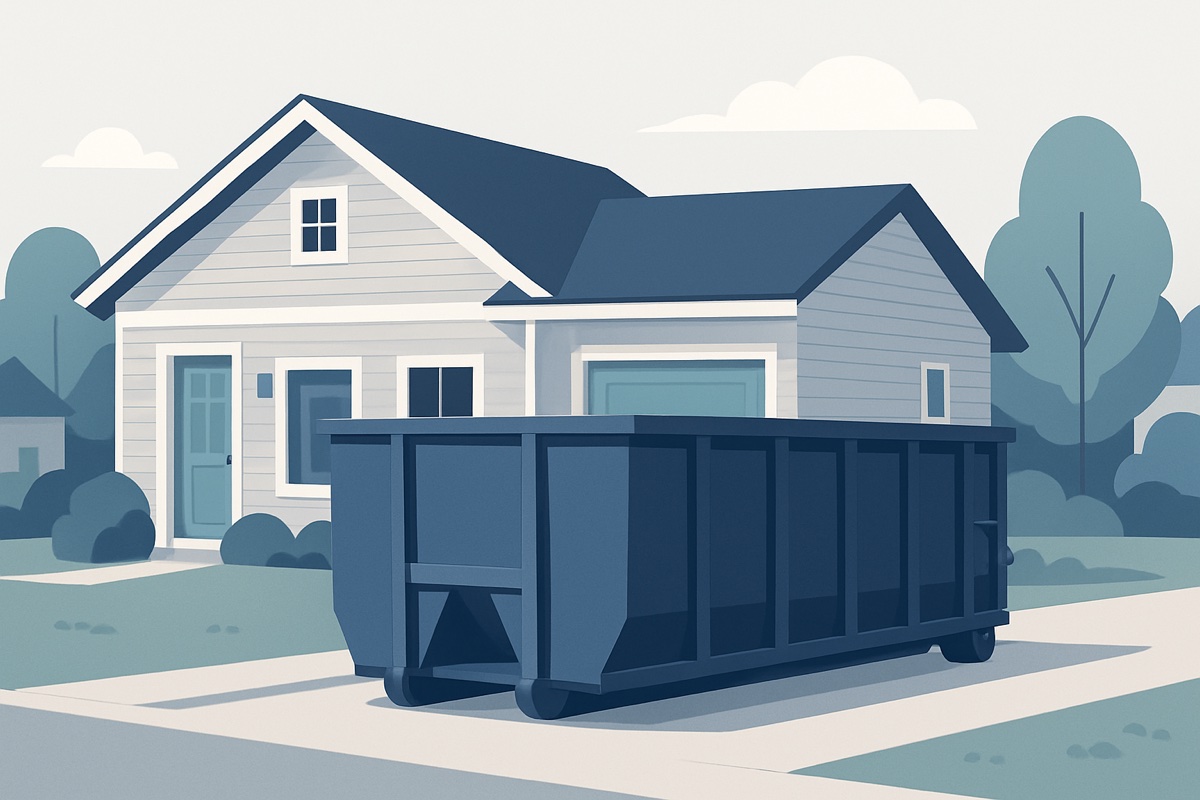
Get Free Dumpster Rental Quotes in Arlington Heights Il
Tell us about your project and local Arlington Heights Il providers will follow up with pricing and availability.
Table of Contents
Dumpster Sizes and Which One You Need
Dumpster Sizes and Which One You Need
Most dumpster rental companies in Arlington Heights offer four standard sizes: 10-yard, 15-yard, 20-yard, and 30-yard containers. A 10-yard works for minor cleanouts and small bathroom remodels. A 20-yard handles most residential projects like kitchen renovations or garage cleanouts. A 30-yard suits whole-home cleanouts or major construction debris from room additions or roof replacements.
Residential Projects and Small Cleanouts
A 10-yard dumpster holds roughly three pickup truck loads—enough for clearing out a basement, replacing flooring in two rooms, or removing an old deck. The footprint measures about 14 feet long by 8 feet wide, fitting in most driveways without blocking the sidewalk.
Step up to a 15-yard or 20-yard for kitchen remodels, bathroom gut jobs, or estate cleanouts. These sizes accommodate cabinets, countertops, old appliances, and the miscellaneous junk that piles up during renovation work. A 20-yard container holds roughly six pickup truck loads. That’s enough capacity for a full kitchen demo including drywall, plus disposal of the old fixtures without worrying about running out of space halfway through the project.
Construction Debris and Large Renovations
A 30-yard roll-off dumpster becomes necessary when you’re generating serious volume—think whole-roof tearoffs, room additions, or complete home renovations. This size handles roughly nine pickup truck loads and measures about 22 feet long. Contractors working on multi-room projects typically order this size to avoid the hassle of multiple hauls or container swaps mid-job.
Weight limits matter more than volume on construction projects. Most 30-yard containers in Cook County include a standard weight allowance between 3-4 tons, adequate for mixed debris like drywall, lumber, and fixtures. Heavy materials are different. If you’re disposing of concrete, brick, or asphalt, you’ll hit weight limits before filling the container. Order a smaller 10-yard or 15-yard dumpster specifically for heavy debris—overage fees typically start around $50-$75 per ton beyond the included weight.
Weight Limits and What You Can Throw Away
Most dumpsters in Arlington Heights come with weight allowances between 1-10 tons depending on size, with 10-yard containers typically including 1-2 tons and 40-yard containers allowing 4-6 tons. You can dispose of most household junk, construction debris, and renovation waste, but hazardous materials, electronics, tires, and certain appliances are prohibited. Exceeding your weight limit usually costs $50-$100 per additional ton.
Tonnage Allowances by Dumpster Size
A 10-yard dumpster generally includes 1-2 tons of weight, enough for a garage cleanout or small bathroom remodel. The 20-yard size bumps that to 2-3 tons, which handles most single-room renovations or moderate yard waste projects. If you’re tackling a full kitchen gut or roof tear-off, a 30-yard container with 3-4 tons of capacity gives you room for heavier materials like drywall and shingles. The 40-yard option maxes out at 4-6 tons for whole-house cleanouts or commercial projects.
Heavy materials eat through your allowance fast. A ton sounds like a lot until you’re loading concrete, dirt, or asphalt—a cubic yard of concrete weighs roughly 4,000 pounds, meaning you’d hit a 2-ton limit with just one yard of material. Roofing shingles average 50-80 pounds per bundle, and a typical residential roof generates 3-5 tons of waste. If your project involves dense materials, order a smaller dumpster size with extra tonnage rather than a larger container you can’t legally fill.
Prohibited Items and Overage Fees
Hazardous waste won’t make it past the landfill. That means no paint (unless completely dried out), no chemicals, no motor oil, no pesticides, and no batteries. Most haulers also refuse mattresses, tires, refrigerators, and air conditioners due to special disposal requirements—Cook County mandates separate processing for items containing refrigerants and certain foams. Electronics like TVs, monitors, and computers fall under Illinois’s electronic waste ban and need separate recycling.
Overage fees kick in when you exceed your tonnage allowance, typically running $50-$100 per additional ton depending on the hauler and landfill rates. Some providers weigh your container at the dump and bill you after pickup, while others estimate based on material type and container fullness. If you know you’ll have heavy debris, buy extra tonnage upfront—it’s usually cheaper than paying overage rates. For mixed loads where weight is hard to estimate, ask what your roll-off dumpster looks like at capacity. Most drivers can tell you if you’re approaching the limit before they haul it away.
How Roll-Off Dumpster Rental Works
Roll-off dumpster rental follows a straightforward process: you contact a provider, specify your project needs and timeline, receive a quote based on container size and rental period, schedule delivery to your property, fill the dumpster during your rental window, and arrange pickup when you’re done or the container reaches capacity. The company hauls it away and handles disposal at approved facilities.
Choosing Your Container Size
Dumpster sizes are measured in cubic yards, ranging from 10-yard containers (roughly the size of a large SUV) up to 40-yard units that measure approximately 22 feet long. A 10-yard works for small cleanouts or minor bathroom renovations. A 20-yard handles most residential projects like kitchen remodels or garage cleanouts. A 30-yard accommodates full-room additions or significant demolition work. The 40-yard container serves large construction sites or whole-house cleanouts.
Most providers in Cook County will help you estimate based on your project description, but sizing up prevents the hassle of scheduling a second container mid-project. If you’re tearing out a deck, for example, the lumber alone from a 12×20 deck will nearly fill a 20-yard container once broken down.
Delivery and Placement
The driver will place your roll-off dumpster where you specify, provided there’s adequate clearance. The truck needs roughly 60 feet of straight-line access—about three car lengths—plus 23 feet of vertical clearance for power lines. Most companies place plywood under the container to protect driveways from scratches, though asphalt in summer heat can still show indentations from the weight.
You’ll want the container close to your work area but not blocking necessary access. Driveways work well for roof tear-offs since shingles can be tossed directly from above. For interior renovations, placement near a ground-floor door saves countless trips hauling debris through your house.
Understanding Weight Limits and Overage Charges
Each dumpster rental includes a weight allowance—typically one to three tons for smaller containers and up to six tons for larger units. Construction debris like drywall, lumber, and shingles generally falls within these limits. Concrete, brick, and dirt are significantly heavier by volume. A 10-yard container filled with concrete can easily exceed four tons.
Overage fees apply when you exceed the included weight, typically $50-$100 per additional ton depending on local disposal costs. Some materials trigger flat-rate disposal fees instead. Knowing what you’re discarding matters: a kitchen demolition generating mostly wood and drywall poses less weight risk than a basement cleanout involving old concrete footings.
Loading and Prohibited Items
Fill the container evenly to prevent shifting during transport. Break down large items when possible—collapsed cardboard boxes and cut lumber pack more efficiently than whole sheets or long boards. Don’t load above the top edge; most municipalities prohibit transporting overloaded containers on public roads, and companies won’t pick up dumpsters that violate height restrictions.
Prohibited items vary by provider but commonly include hazardous materials (paint, oil, chemicals, asbestos), appliances containing refrigerants, tires, and electronics. Some companies accept mattresses and appliances for additional fees. Arlington Heights follows Illinois regulations on construction and demolition debris disposal, which means certain materials require separation or special handling regardless of your provider’s policies.
Arlington Heights Permit and Placement Rules
Arlington Heights requires permits for dumpsters placed on public streets or rights-of-way, which you obtain through the Public Works Department. Most residential driveways don’t need permits, but you’re responsible for damage to sidewalks, curbs, or pavement. The village enforces strict placement rules around fire hydrants, intersections, and sight triangles, with violations resulting in fines or forced removal.
Public Street vs. Private Property Placement
Dumpsters on private property—your driveway, parking lot, or yard—don’t require village permits. You can place a roll-off dumpster anywhere on your lot as long as it doesn’t block public sidewalks or extend into the right-of-way. That includes the parkway strip between your property line and the street, which the village owns even though you maintain it.
Public street placement triggers different rules. You’ll need a Right-of-Way Permit from the Public Works Department at 2200 North Kennicott Avenue. The application requires your address, placement duration (typically 7-14 days), and rental company information. The village reviews each request to ensure placement won’t create traffic hazards or block emergency access. Expect permit processing to take 2-3 business days.
Distance Requirements from Intersections and Hydrants
Arlington Heights municipal code sets minimum clearances to maintain visibility and emergency access. Dumpsters must sit at least 25 feet from any intersection, measured from the corner curb. This prevents sight line obstruction for drivers making turns onto Arlington Heights Road, Golf Road, or other major corridors.
Fire hydrants require 15 feet of clearance in all directions. Fire department access matters more than convenience—a blocked hydrant during construction debris removal can delay emergency response. The village also prohibits placement within designated fire lanes or areas marked for emergency vehicle access, common in commercial districts along Northwest Highway.
Protecting Village Infrastructure
You’re liable for damage to public property caused by dumpster placement or pickup. Construction debris weighs more than most people expect—a 20-yard dumpster filled with concrete or brick can exceed 10,000 pounds. That concentrated weight cracks asphalt, damages concrete aprons, and breaks curbs, especially during Cook County’s freeze-thaw cycles.
Place plywood sheets under the dumpster if you’re concerned about your driveway or if the rental sits on softer surfaces. Most rental companies provide this upon request. For street placement, avoid positioning containers where wheels rest on utility covers or storm drains. The village bills property owners directly for repairs to damaged curbs, sidewalks, or street surfaces, with costs starting around $500 for minor concrete work and escalating quickly for street repaving. Take photos before delivery showing existing conditions—it protects you if pre-existing damage gets attributed to your rental.
Dumpster Rental in Nearby Illinois Cities
- Dumpster Rental in Aurora
- Dumpster Rental in Bolingbrook
- Dumpster Rental in Chicago
- Dumpster Rental in Des Plaines
- Dumpster Rental in Elgin
- Dumpster Rental in Joliet
- Dumpster Rental in Lombard
- Dumpster Rental in Naperville
Ready to get started?
Frequently Asked Questions About Dumpster Rental in Arlington Heights
How much does dumpster rental cost in Arlington Heights?
Dumpster rental in Arlington Heights, IL typically costs between $300 and $600 for a weeklong rental, depending on the size you choose and what you are throwing away. These figures are estimates, and your final price can shift with weight overages, which usually run $50 to $100 per additional ton. Request quotes from a few local providers to compare pricing for your specific project.
Do I need a permit for a dumpster in Arlington Heights?
If the dumpster sits on your private property, such as your driveway, parking lot, or yard, you do not need a village permit. Placing one on a public street or in the right-of-way requires a Right-of-Way Permit from the Public Works Department at 2200 North Kennicott Avenue, and processing usually takes 2 to 3 business days. Plan ahead so the permit is in place before your delivery date.
What size dumpster do I need for my Arlington Heights project?
A 10-yard dumpster fits small cleanouts, single-room projects, and modest amounts of debris. A 20-yard unit handles full renovations and larger cleanouts, while 30 to 40-yard containers suit large construction sites or whole-house cleanouts. If you are unsure, most local providers will help you estimate based on your project description.
How long can I keep a roll-off dumpster in Arlington Heights?
Standard rental periods typically run 7 to 14 days, which covers most residential and renovation projects. If you need more time, ask your provider about an extension, which usually adds a daily or weekly fee. Confirm the return date when you book so you avoid unexpected charges.
What can I not put in a dumpster in Arlington Heights?
Hazardous materials, refrigerators, and air conditioners are prohibited because items containing refrigerants require special handling, and Cook County mandates separate processing for them. Heavy materials like concrete or dirt often need a dedicated dumpster and can trigger weight overage fees. When in doubt, ask your provider what your container allows before you load it.
Illinois: more locations
- Dumpster Rental Aurora Il
- Dumpster Rental Bolingbrook
- Dumpster Rental Chicago
- Dumpster Rental Des Plaines
- Dumpster Rental Elgin Il
- Dumpster Rental Joliet
- Dumpster Rental Lombard
- Dumpster Rental Naperville
- Dumpster Rental Peoria Il
- Dumpster Rental Schaumburg
- Dumpster Rental Springfield Il
- Dumpster Rental St Charles Il