Dumpster rental in Castle Rock works through local waste management companies that deliver roll-off containers to your property for a flat-rate period (typically 7-14 days), during which you fill them with debris before they haul everything away — with costs generally ranging from $300-$600 depending on container size and what you’re disposing of. Whether you’re gutting a basement in The Meadows, replacing a roof near Festival Park, or clearing out years of accumulated garage debris, choosing the right dumpster size and understanding Douglas County’s disposal regulations prevents expensive overages and project delays. The difference between a smooth rental and a frustrating one comes down to knowing how local providers price weight limits, which materials trigger surcharges, and how Castle Rock’s residential neighborhoods handle placement restrictions. Most homeowners underestimate how quickly construction debris fills a container, then either pay rush fees for a second dumpster or spend days shuttling loads to the landfill themselves.
Get Free Dumpster Rental Quotes in Castle Rock
Tell us about your project and local Castle Rock providers will follow up with pricing and availability.
Choosing the Right Dumpster Size
Choosing the Right Dumpster Size
Dumpster size selection hinges on your project scope and debris type. A 10-yard container handles most single-room renovations, while 20-yard units suit whole-home cleanouts or moderate roofing jobs. Construction and demolition work typically requires 30-40 yard containers to accommodate framing lumber, drywall, and structural materials without constant swapping.
Residential and Roofing Projects
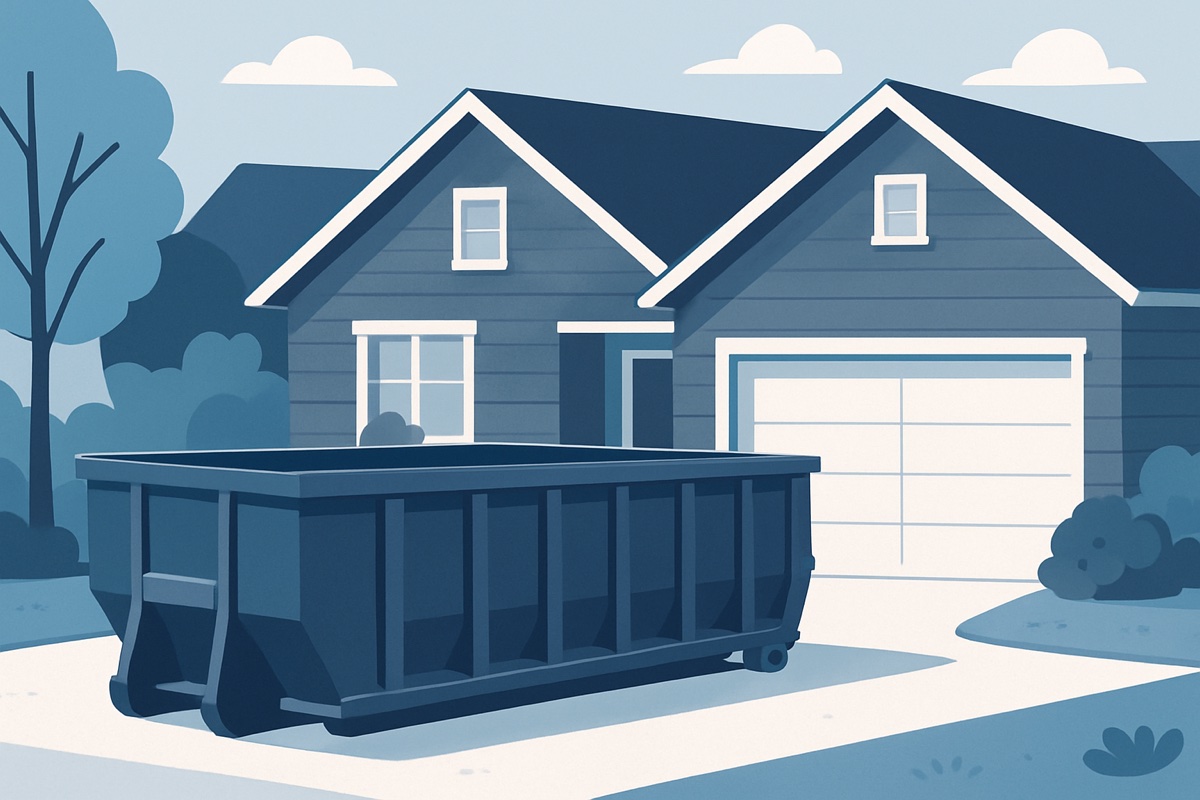
A 10-yard dumpster fits comfortably in most Castle Rock driveways and holds roughly three pickup truck loads—ideal for bathroom remodels, garage cleanouts, or small deck removals. The footprint measures about 14 feet long by 8 feet wide, leaving room for vehicles to pass in standard driveways.
Roofing projects demand different calculations. A 1,500-square-foot ranch typically generates enough shingles to fill a 20-yard container, factoring in old underlayment and flashing. Two-story homes or properties with multiple roof planes often need 30-yard units. Asphalt shingles are deceptively heavy—a 20-yard dumpster maxes out at roughly 2-3 tons of roofing material, well below its volume capacity. Overfilling triggers weight limit fees that often exceed the cost of ordering a second container from the start.
Construction and Demolition Needs
New construction generates clean, bulky waste: dimensional lumber, drywall scraps, packaging materials, and cut-offs. A 30-yard roll-off dumpster handles framing waste for homes up to 2,500 square feet. Larger builds or projects with significant concrete work justify 40-yard containers—these hold roughly 12 pickup loads and prevent the downtime of mid-project exchanges.
Demolition produces denser debris. Tearing out a kitchen creates cabinet boxes, countertops, tile, and drywall that compact poorly. That same 30-yard container that managed new construction debris might reach weight limits at 60-70% full during demolition. Whole-house demo projects in Castle Rock often require multiple hauls or arranging sequential container drops rather than gambling on a single oversized unit. Track your debris density as you work—if you’re compressing material with significant force or the container floor isn’t visible after removing one room, you’re approaching weight thresholds regardless of remaining volume.
What You Can Throw in a Roll-Off Dumpster
Roll-off dumpsters accept most solid waste generated during construction, renovation, and cleanout projects — including lumber, drywall, roofing materials, concrete, and household junk. Hazardous materials, liquids, appliances with refrigerants, tires, and certain electronics are prohibited by Douglas County regulations and waste facility policies. Knowing what belongs in your rental prevents disposal fees, project delays, and potential fines.
Accepted Construction Debris and Materials
Construction and demolition waste makes up the bulk of what goes into roll-off dumpsters. Wood framing, plywood, and dimensional lumber load easily, as do drywall sheets, insulation batts, and roofing shingles. Metal scraps — including siding, flashing, and rebar — are acceptable, though separating them can sometimes reduce disposal costs. Concrete, asphalt, brick, and dirt fill dumpsters quickly because of their weight, so you might need a container dedicated to heavy materials to avoid hitting weight limits.
Household cleanout items also fit the bill: furniture, carpeting, mattresses, and general junk from garage or basement purges. Cardboard boxes, packaging materials, and yard waste like branches and leaves are fine in most cases. If you’re tackling a renovation, cabinets, countertops, fixtures, and flooring all qualify. The key is keeping materials dry when possible — waterlogged debris weighs significantly more and can push you past your tonnage allowance.
Prohibited Items and Disposal Restrictions
Hazardous materials stay out of roll-off dumpsters entirely. This includes paint cans with liquid paint, solvents, pesticides, motor oil, fuel, and any container holding chemicals. Douglas County’s household hazardous waste program handles these items separately. Batteries — car batteries especially — require recycling through automotive shops or designated collection events. Propane tanks and compressed gas cylinders pose explosion risks at landfills and transfer stations, so they need specialty disposal.
Appliances containing refrigerants (refrigerators, air conditioners, dehumidifiers) can’t go in standard dumpsters because technicians must recover the coolant first. Tires are banned at most Colorado landfills and require separate recycling. Electronics like televisions, monitors, and computers fall under e-waste rules — you’ll need to route them through Douglas County’s electronics recycling options. Medical waste, asbestos-containing materials, and anything classified as biohazard demand specialized handling that rental companies can’t provide through standard containers.
Weight Limits and Overage Fees
Weight Limits and Overage Fees
Dumpster weight limits in Castle Rock typically range from 1-10 tons depending on container size, with overage fees generally running $50-$100 per ton beyond your limit. The actual threshold depends on your specific rental agreement and dumpster size—a 10-yard unit might include 1-2 tons, while a 40-yard container could allow 4-6 tons. Exceed your limit, and you’ll pay for every additional ton when the hauler weighs your load at the landfill.
How Rental Companies Calculate Weight
The hauler weighs your dumpster twice: once at the landfill scale when dropping off your empty container (tare weight), and again when they pick up your full load. The difference is your debris weight. You won’t know if you’ve exceeded your limit until after pickup, which is why estimating your load beforehand matters. A cubic yard of asphalt weighs roughly 4,000 pounds, while the same volume of household junk might weigh 300-400 pounds. Construction debris falls somewhere between—drywall runs about 500 pounds per cubic yard, while dirt and concrete can hit 3,000 pounds.
Common Debris Weights That Trigger Overages
Roofing shingles cause more overage fees than almost any other material. A typical roof tearoff generates 40-80 pounds of shingles per square (100 square feet), meaning a 2,000-square-foot roof produces 3-6 tons of material before you add plywood or underlayment. Concrete and dirt are the other major culprits—a single cubic yard of concrete weighs over a ton, so breaking up a modest patio or sidewalk can max out a 20-yard dumpster’s weight limit while barely filling half the container’s volume.
Yard waste creates the opposite problem. You can usually fill a 20-yard roll-off to the brim with branches, leaves, and grass clippings without approaching the weight threshold. Mixed loads require more judgment—if you’re combining demolition materials with household cleanout items, the heavy debris concentration determines whether you’ll hit your limit.
Strategies to Avoid Surprise Charges
Request a higher weight allowance upfront if you know you’re disposing of dense materials. Upgrading from a 2-ton to a 4-ton limit at rental time costs less than paying overage fees later. Some Douglas County rental companies offer flat-rate pricing that includes higher weight thresholds, which makes sense for roofing or concrete projects where you can reasonably estimate the load.
Separate your heaviest materials into a dedicated container when possible. If you’re renovating a basement, rent one dumpster for concrete demolition and a second for framing lumber and drywall. The segregated approach lets you match each dumpster size and weight limit to the specific material, and you’ll avoid paying premium overage rates on a single overloaded container. Break concrete into smaller pieces before loading—this doesn’t reduce weight, but it lets you distribute the load more efficiently and potentially downsize to a smaller, less expensive dumpster rental with an appropriate weight limit.
Rental Periods and Delivery in Castle Rock
Most Castle Rock dumpster rental companies offer standard rental periods of 7 to 14 days, with delivery typically scheduled within 24 to 48 hours of booking. You can extend your rental period by the day or week if your project runs longer than expected. Delivery windows usually span 2-4 hours, and drivers will call 30 minutes before arrival to confirm placement location.
Standard Rental Timeframes
The baseline rental period runs 7 days for residential projects and 10-14 days for construction work. These windows give you enough time to complete most demolitions, cleanouts, or remodeling phases without rushing. If you’re tackling a basement renovation, a week lets you remove old drywall, flooring, and fixtures at a comfortable pace. Larger construction debris removal from a room addition or deck rebuild often needs the full two weeks.
Extensions cost $5-15 per day depending on the provider and dumpster size. Request an extension before your rental period ends—most companies need 24 hours notice to adjust scheduling. Projects frequently run over initial estimates, so budget for an extra few days if you’re uncertain about timing.
Delivery Scheduling and Placement
Book at least 2-3 days ahead for residential deliveries, particularly during spring and summer when Castle Rock sees peak construction and landscaping activity. Roll-off dumpster companies operate on route schedules throughout Douglas County, grouping deliveries by area to manage fuel costs and driver time.
The driver needs a clear path at least 10 feet wide with 23 feet of vertical clearance for the delivery truck’s hydraulic arm. Driveways work well if they’re paved and can handle the combined weight of the container plus its contents—typically 10,000 pounds or more when full. Gravel drives often work, but steep grades or soft ground may require street placement with a permit from Castle Rock’s Public Works department. Point out any overhead power lines, low-hanging tree branches, or irrigation systems before the driver positions the container. Once placed, moving a loaded dumpster requires a special trip that costs $75-150.
Pickup Coordination
Schedule your pickup call at least 24 hours before you need the container removed. Companies run pickup routes similar to delivery schedules, so same-day removal rarely happens unless you pay a rush fee. Fill the container to the top rail without exceeding weight limits—overloaded dumpsters create safety hazards and trigger overage charges of $40-90 per ton.
Keep the area around your dumpster accessible. If trash day falls during your rental period, don’t let neighbors park garbage bins too close. The truck needs that same 10-foot clearance for safe removal. Lock mechanisms aren’t standard, so if you’re keeping the container overnight in an accessible area, consider asking about security options to prevent illegal dumping that could push you over your weight limit.
Dumpster Rental in Nearby Colorado Cities
Ready to get started?