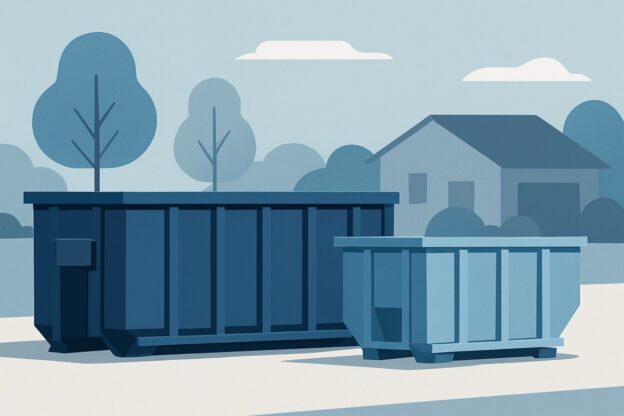
When you’re managing a big cleanup or a construction project, knowing the weight limit of a 30 yard dumpster can save you from costly surprises. Overweight loads often lead to extra fees or even a hauler refusing pickup, which can bring your entire operation to a halt. For industrial projects, you’ll need dumpsters that can handle heavy debris and specialized waste, but not every provider is equipped for those demands.
It’s not just about tossing everything in and hoping for the best. Regulations, safety records and proper disposal of restricted materials all play a part in your decision. Whether you’re worried about blocking customer parking at a busy store or keeping your job site running smoothly, understanding weight limits helps you avoid headaches with permits, surprise charges and missed pickups. Knowing where the boundaries are sets you up for a smoother, more reliable dumpster rental experience.
Understanding the 30 Yard Dumpster Weight Limit
The 30 yard dumpster weight limit defines the maximum debris load a rental hauler accepts before extra charges or service issues occur. Typical limits range from 4 to 5 tons (8,000 to 10,000 lbs), but specific thresholds depend on the provider, local regulations, and the nature of waste—concrete, roofing shingles, or scrap metal each often nears weight capacity before filling volume.
Industrial clients select a rental partner based on capability to handle repeated, heavy loads, demanding clear documentation of maximum allowed weights. For example, exceeding the stated 10,000 lb limit can trigger overweight fees or load refusals, halting ongoing demolition or manufacturing workflows.
Event planners estimate waste volumes but often risk overflow when containers max out unexpectedly. Knowing the exact weight ceiling for a 30 yard dumpster shapes smarter disposal planning, permitting compliance with municipal and recycling requirements. Waste mix—food, decor, cardboard—affects how quickly you reach the limit.
Retailers and smaller businesses manage temporary projects in limited spaces, so exceeding weight restrictions means additional pickups or unbudgeted costs. Old displays or shelving may seem bulky yet push dumpsters over weight limits when mixed with general debris.
For property managers, the weight limit also correlates to driveway safety and legal compliance. Overloaded dumpsters risk damage claims and may violate waste transport laws, complicating quick tenant turnovers.
| Dumpster Size | Typical Weight Limit (Tons) | Typical Weight Limit (Pounds) |
|---|---|---|
| 30 Yard | 4–5 | 8,000–10,000 |
Always confirm your rental agreement for exact specifications—weight limits dictate removal ease, pricing transparency, and operational continuity for every user group.
Typical Weight Limits for 30 Yard Dumpsters
A 30-yard dumpster typically holds between 2 and 6 tons (4,000 to 12,000 pounds). Actual limits depend on the rental provider, waste type, and regulatory requirements. Knowing these constraints prevents overweight fees, disruption to projects, and compliance issues for industrial managers, event planners, retailers, and property managers.
What Influences the Weight Limit?
Several factors affect the weight limit for 30-yard dumpsters:
- Material Density: Heavier debris like concrete or roofing material counts toward the limit faster than lighter items like furniture or packaging. For example, you may fill only part of a dumpster with concrete before reaching the maximum allowed weight.
- Safety and Equipment: Trucks and handling equipment must lift and transport loaded dumpsters safely. Exceeding weight limits increases operational risks and can halt scheduled pick-ups, impacting your project.
- Local Regulations: Municipal and environmental guidelines may cap the maximum weight per load. Regional ordinances often impact what and how much you can dispose of, whether you’re overseeing a construction site, retail renovation, or event clean-up.
- Provider Policy: Dumpster companies set their own load restrictions and may offer varying weight allowances, sometimes capping limits at 10 tons for specialized applications.
Average Weight Capacity Explained
The average weight capacity for a 30-yard dumpster ranges from 4 to 6 tons (8,000 to 12,000 pounds):
| Capacity (Tons) | Capacity (Pounds) | Example Use Cases |
|---|---|---|
| 2–4 | 4,000–8,000 | Household junk, light debris |
| 4–6 | 8,000–12,000 | Renovations, drywall, wood |
| Up to 10 | 20,000 | Heavy industrial material |
These limits accommodate common waste streams:
- Carpeting: 4,200 to 6,000 square feet removed from commercial spaces or managed properties.
- Drywall: 84 to 122 full 4×8-foot sheets from renovation or industrial cleanouts.
- Hardwood Flooring: 1,750 to 2,000 square feet, frequently encountered by construction managers.
- Yard Waste: Over 6,500 pounds, common for event setups or grounds cleanups.
Properly estimating the total weight of your debris, based on these benchmarks, keeps your project within rental contract terms and maintains smooth collection schedules. For retail operators and property managers, correct sizing prevents driveway damage. For event planners, exceeding limits risks overflow and extra charges, and for industrial facilities, compliance ensures unbroken operations. Always check your provider’s exact limits before filling your 30-yard dumpster.
Common Items and Their Impact on Dumpster Weight
Dumpster weight limits depend on the types of items you load. Choosing the right materials and managing their distribution help you avoid overweight fees, property damage, and project delays.
Household Debris
Household debris in a 30-yard dumpster usually includes furniture, clothing, packaging, and general trash. These items often fill significant space without nearing the maximum weight limit. For example, a full 30-yard dumpster with household debris typically fills 475–680 sq ft and stays well under 6 tons. Suburban homeowners clearing out garages, renovating kitchens, or cleaning before a move usually generate this type of debris.
Construction Materials
Construction materials fill a 30-yard dumpster faster by weight than by volume. Items include:
- Carpeting: 4,200–6,000 sq ft, lighter load, suitable for most residential or retail projects.
- Drywall: Up to 3,840 sq ft depending on thickness, heavier than household debris.
- Concrete or Asphalt: Limited to 110–155 sq ft of 10-inch thick materials due to density. Contractors or industrial users moving concrete hit weight limits rapidly, requiring strict compliance to avoid overweight fees and service interruptions.
Yard Waste
Yard waste weight impacts depend on density and compaction. A 30-yard dumpster can take 8–15 cubic yards of yard clippings, small branches, or leaves. Denser debris—like sod or wet branches—uses up the weight limit more quickly. Event planners and property managers dealing with post-event landscaping or seasonal cleanups often reach volume before weight unless their debris includes heavy organic material.
Table: Approximate Volume and Weight Impact of Common Items in a 30-Yard Dumpster
| Debris Type | Estimated Amount per 30-yd Dumpster | Typical Impact on Weight Limit |
|---|---|---|
| Household Debris | 475–680 sq ft | Low, fills space, light weight |
| Carpeting | 4,200–6,000 sq ft | Moderate, fills space |
| Drywall | 2,650–3,840 sq ft | Higher, heavy when stacked |
| Concrete/Asphalt | 110–155 sq ft (10” thick) | Reaches max weight quickly |
| Yard Waste | 8–15 cubic yards | Depends on moisture, density |
Efficiently managing the types of items you load keeps your project on budget, reduces the risk of overweight surcharges, and aligns with compliance requirements for every dumpster rental use case.
Consequences of Exceeding the Weight Limit
Surpassing the 30 yard dumpster weight limit triggers financial, safety and environmental consequences for all dumpster rental consumer groups. When the load goes beyond the specified capacity, you encounter extra charges, operational disruptions and potential hazards.
Additional Fees and Penalties
Exceeding the weight limit in a 30 yard dumpster causes overweight fees and penalties. Waste management companies bill for excess tons to cover higher transportation and disposal costs, with some charging by the pound over the limit. Fees can range from $50 to $100 per additional ton, based on market averages and provider policy. If your load exceeds truck or legal limits, you risk refusal of pickup, regulatory fines or delays that halt commercial operations—critical for industrial clients who rely on uninterrupted waste removal. Retailers and event planners see budget overruns that affect project profitability and planning accuracy.
| Overweight Fee Triggers | Common Outcomes |
|---|---|
| Exceeding 4–6 tons (8,000–12,000 lbs) | $50–$100 per extra ton, additional trip charges |
| Exceeding safety/legal truck limit | Pickup refusal, potential penalties, halted operations |
Safety and Environmental Concerns
Transporting an overloaded 30 yard dumpster creates safety and environmental issues. Too much weight can strain trucks and compromise road safety, increasing the risk of traffic accidents and property damage. Industrial customers risk equipment breakdowns or spills involving specialized waste. For all user types, excessive weight may cause dumpsters to leak or tip, contaminating worksites, streets or natural areas. Regulatory non-compliance arises if hazardous waste or overweight loads result in environmental violations, amplifying potential liability and cleanup costs. Staying within designated limits safeguards transport crews, communities and the environment while maintaining your compliance profile.
Tips for Managing Dumpster Weight
Effective dumpster weight management keeps your project on schedule and protects your budget. Consistently apply weight control strategies to avoid overage fees and service interruptions.
Sorting and Compacting Waste
Sorting and compacting waste optimizes the carrying capacity of your 30-yard dumpster. Separate heavy materials like concrete, asphalt, and bricks from lighter items such as cardboard, insulation, and plastic. Load dense debris first, then fill remaining space with lighter materials to maintain weight balance. Compacting waste by breaking down boxes, crushing bulky items, and stacking debris tightly ensures more fits in your dumpster while staying under the 4–6 ton weight range. Even load distribution prevents tipping hazards and supports safe pickup—critical for industrial sites, multi-unit properties, and event venues with strict waste policies.
Communicating with Your Dumpster Provider
Communicating with your dumpster provider clarifies weight limits and helps you avoid unexpected charges. Confirm your dumpster’s specific weight allowance and ask for written documentation to prevent disputes. Use available online weight calculators or provider guidance to estimate total debris weight, especially if disposing of heavy construction or industrial waste. Discuss your project’s materials upfront—roofing shingles, drywall, or landscape debris—to verify suitability and adjust container size if needed. Request details on pricing for additional weight and protocols for partial unloading if you approach the upper threshold. Promptly notify your provider if you anticipate full loads or require urgent swaps, ensuring timely service for event planners, contractors, or property managers facing demanding timelines.
Conclusion
Understanding the weight limit of your 30-yard dumpster is essential for a hassle-free rental and safe project management. When you know what your dumpster can handle you’ll avoid costly surprises and keep your cleanup or construction on track.
Take the time to evaluate your debris and ask your provider about specific limits before loading up. Staying informed lets you protect your budget and ensures your project runs smoothly from start to finish.
Frequently Asked Questions
What is the typical weight limit for a 30-yard dumpster?
The typical weight limit for a 30-yard dumpster ranges from 4 to 6 tons (8,000 to 12,000 lbs). However, this can vary based on your rental provider, local regulations, and the type of materials you plan to dispose of.
Why is it important to stay within the weight limit of a dumpster?
Staying within the weight limit prevents extra fees, ensures timely pickups, and avoids potential legal or safety issues. Overloading a dumpster can result in denied pickups, damage, or even permit violations.
What happens if I exceed my dumpster’s weight limit?
Exceeding your dumpster’s weight limit can lead to extra charges (typically $50–$100 per excess ton), pickup refusals, and project delays. It may also pose safety risks and, for certain debris types, environmental fines.
What materials fill up a dumpster’s weight limit the fastest?
Heavy materials like concrete, bricks, soil, and roofing shingles reach the weight limit quickly. Even a partially filled dumpster with dense materials can hit the limit before it looks “full” to the eye.
How do I accurately estimate my debris weight for a 30-yard dumpster?
List all materials you plan to throw away, check their average weight per cubic yard, and use a dumpster weight calculator or consult your rental provider to make sure your load stays within the limit.
Can I mix different types of waste in a 30-yard dumpster?
Most providers allow mixing household junk, construction waste, or yard debris. However, certain restrictions may apply, especially for hazardous materials or very heavy items. Always check with your provider.
Are there legal consequences for overloading a dumpster?
Yes, overloading a dumpster can violate local weight transport laws, potentially resulting in fines or safety violations if the debris poses risks during transport.
What are the best practices to avoid exceeding dumpster weight limits?
Sort and separate heavy materials, compact waste to fit more, and regularly check the load’s weight. Keep clear communication with your dumpster provider about your project and material types.
How does the type of debris affect my dumpster’s weight limit?
Different types of debris vary in density. Household junk is lightweight and bulks up to fill space, while construction debris like concrete or roofing materials quickly reach weight limits due to their high density.
Is driveway safety affected by an overloaded dumpster?
Yes, overloaded dumpsters can damage driveways or pavement due to excessive weight. Always adhere to weight limits to maintain property safety and avoid liability.