

Get Free Dumpster Rental Quotes in Thousand Oaks
Tell us about your project and local Thousand Oaks providers will follow up with pricing and availability.
Table of Contents
Dumpster Sizes and Which Projects They Fit
Dumpster Sizes and Which Projects They Fit
Dumpster sizes typically range from 10 to 40 cubic yards, and the right choice depends on your project’s scope and debris type. A 10-yard works for small cleanouts and bathroom remodels, 20-yard handles garage cleanups and roofing jobs, 30-yard suits whole-home renovations, and 40-yard containers manage new construction or large demolition projects. Picking the wrong size means either paying for space you don’t use or scheduling a second delivery mid-project.
Residential Cleanouts and Small Renovations
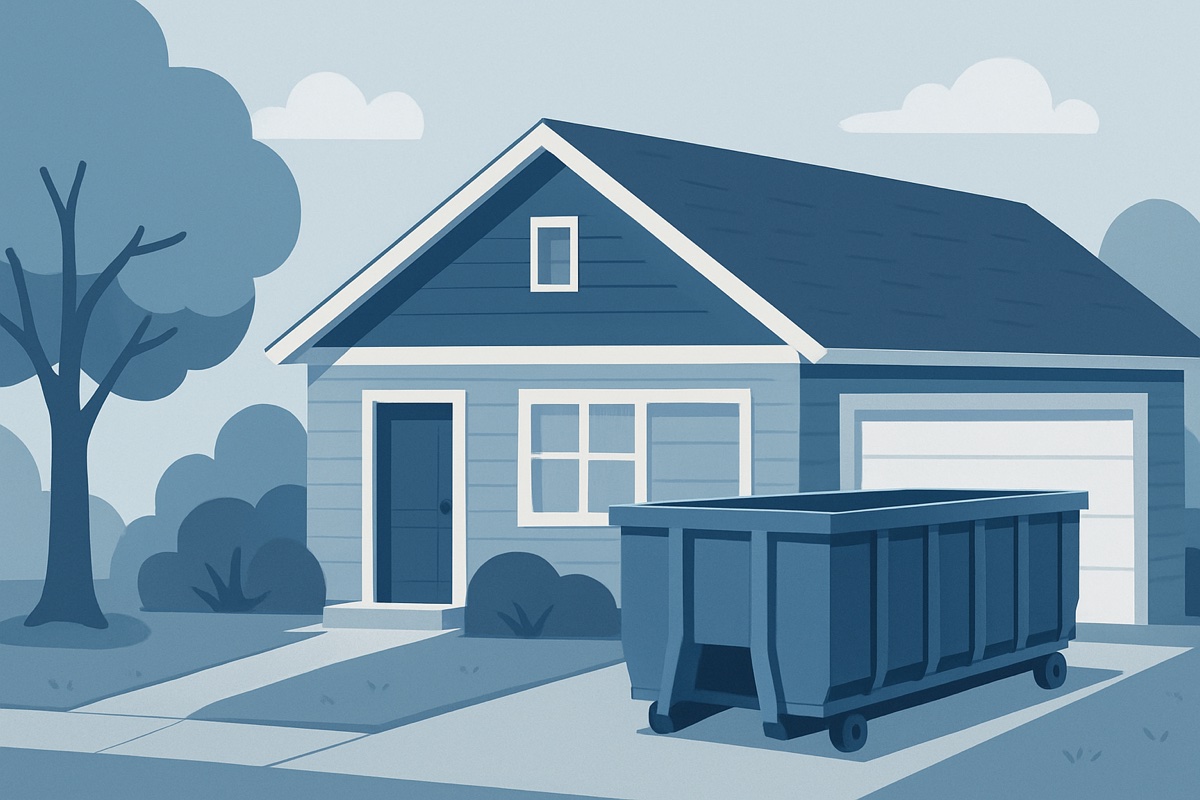
A 10-yard dumpster fits about three pickup truck loads—enough for clearing out a basement, replacing a few rooms of flooring, or handling a bathroom gut. These containers sit low to the ground, making it easier to toss bags over the side without a ladder. The footprint measures roughly 14 feet long by 8 feet wide, so it fits in most driveways without blocking garage access.
For kitchen remodels or deck removals, a 20-yard container gives you breathing room without overwhelming your property. You’ll have space for old cabinets, countertops, appliances, and the inevitable pile of packaging from new materials. This size also works well for roof tear-offs on homes up to about 3,000 square feet, though asphalt shingles are heavy—you’ll hit weight limits before filling the container completely.
Construction Debris and Large Projects
New construction and whole-home renovations generate more waste than most people anticipate. A 30-yard dumpster handles framing scrap, drywall offcuts, old siding, and the mixed debris that comes from gutting multiple rooms. Contractors often choose this size for additions or major remodeling because it reduces the chance of needing a swap-out, which interrupts the work schedule.
The 40-yard container is the largest residential option and makes sense mainly for demolition jobs or building from the ground up. Construction debris—especially concrete, brick, and dirt—is dense. A 40-yard dumpster rental in Thousand Oaks typically comes with weight limits between 4 and 6 tons, so you might actually fill a smaller container and request a swap for heavy materials rather than mixing everything into one oversized bin. Separating materials also helps if you’re trying to divert waste from landfills, since concrete and wood often go to different facilities.
Weight Limits and Overage Fees Explained
Weight limits function as a ceiling on the total tonnage your dumpster rental can hold, typically ranging from 1-10 tons depending on container size. When you exceed this threshold, rental companies charge overage fees—usually $50-$100 per additional ton in the Thousand Oaks area. Understanding what materials count toward your limit and how to estimate their weight before loading prevents unexpected charges at the end of your project.
What Counts Toward Your Weight Limit
Everything inside the container counts toward your weight allowance, including materials you might not consider heavy. A 20-yard roll-off dumpster filled with household furniture and boxes might stay well under a 3-ton limit, but that same container packed with dirt, concrete, or tile can hit 8-10 tons.
Construction debris creates the most confusion around weight calculations. Drywall feels light when you’re carrying individual sheets, but a full load can weigh several tons once you account for mud, screws, and damaged sections. Asphalt shingles follow a similar pattern—a typical residential roof tearoff generates 2-4 tons of material even though individual bundles seem manageable. Wet materials compound the problem. Rain-soaked carpet, damp wood, or saturated insulation can double the weight you initially estimated. If your dumpster sits outside during Ventura County’s winter months, tarping the top becomes worthwhile protection against unexpected overage fees.
Avoiding Overage Charges on Heavy Materials
Dense materials require a smaller container than you’d instinctively choose. Concrete, brick, dirt, and stone should go in 10-yard or smaller dumpsters to stay within weight limits—a 20-yard container gives you too much volume for the tonnage you’re allowed. Rental companies sometimes offer flat-rate heavy debris dumpsters designed specifically for these materials, with reinforced floors and lower sides that prevent you from physically overloading them.
Break concrete into smaller pieces before disposal. Whole slabs and large chunks settle densely, maximizing weight in minimal space. Smaller fragments create air gaps that reduce the total tonnage you can fit. For soil and dirt removal, consider whether you actually need dumpster rental—Ventura County has free mulch and green waste programs that accept clean soil at designated drop-off locations. Mixing light and heavy materials in the same container rarely works to your advantage. The weight of the heavy items determines your overage fees regardless of how much lighter material sits on top. If your project generates both construction debris and dense waste like tile or concrete, rent separate containers or schedule sequential pickups rather than combining loads.
Roll-Off Dumpster Rental Costs in Thousand Oaks
Roll-off dumpster rental in Thousand Oaks typically ranges from $300 to $650 for a standard rental period, with pricing determined by container size, rental duration, and debris type. A 10-yard dumpster for a weekend bathroom remodel generally costs less than a 30-yard unit for a two-week roofing project. Prices include delivery, pickup, and a set weight allowance, with overage fees applying when you exceed tonnage limits.
Container size drives the base rate. A 10-yard dumpster handling light household cleanouts usually starts around $300-$375 for a 3-7 day period. Step up to a 20-yard unit—the most common choice for moderate renovations—and expect $400-$500. Larger 30-yard and 40-yard dumpsters used for construction debris or major demolition run $500-$650 or more. These estimates assume standard household or construction waste. Heavy materials change the equation entirely.
Weight limits create the second cost variable. Most rental agreements include 1-3 tons of disposal weight in the quoted price. A 20-yard dumpster might come with a 2-ton allowance, which works fine for drywall, wood framing, and carpet. Load that same container with concrete, dirt, or asphalt, and you’ll blow through the weight limit before filling half the volume. Overage charges in Ventura County typically run $50-$90 per additional ton, though some providers charge more for certain materials. A contractor demolishing a concrete patio might pay the base $450 rental fee plus another $200-$300 in overage fees for a project generating 5-6 tons of material.
Rental duration affects total cost through daily or weekly rates. The standard rental period runs 5-7 days. Need the dumpster for three weeks while your contractor works through a kitchen gut? Most companies charge $10-$20 per additional day beyond the included period. A two-week extension adds $70-$140 to your bill. Some providers structure pricing with weekly rates instead, which can offer better value for longer projects.
Debris type sometimes triggers surcharges or requires specialized containers. Standard mixed waste from home cleanouts costs less to dispose of than separated loads of shingles, which are heavier and costlier to process. Mattresses, tires, electronics, and appliances often carry individual disposal fees ranging from $25-$75 per item because local transfer stations charge haulers to accept them. Yard waste might cost less than construction debris, depending on the company’s disposal arrangements. Before you load anything unusual, confirm whether it’s accepted and what it costs.
Permit Requirements and Placement Rules
Most residential dumpster placements in Thousand Oaks don’t require permits if the container stays on private property. You’ll need a permit from the City of Thousand Oaks Public Works Department if the roll-off dumpster must sit on a public street, parkway, or right-of-way. The permit process typically takes 2-3 business days and costs around $100-$200, though fees vary based on placement duration and location.
When You Need a City Permit
Any dumpster placed on a public street triggers the permit requirement. This includes the asphalt surface, parking lanes, and that strip of grass between the sidewalk and curb (which the city owns, even though you mow it). The city treats these areas as public right-of-way regardless of who maintains them.
Driveways entirely on your property don’t need permits. Neither do placements in side yards, backyards, or front yards that don’t extend beyond your property line. The distinction matters most on corner lots, where what looks like your yard often includes city-owned land. Check your property survey or call the city’s engineering division at (805) 449-2300 if you’re unsure where your property ends.
Placement Restrictions in Residential Zones
The city prohibits dumpster placement within 15 feet of fire hydrants or within areas that block emergency vehicle access. On residential streets, you must leave at least one traffic lane open—a practical impossibility on many narrow Thousand Oaks roads, which is why most homeowners place containers in driveways.
Homeowners associations add their own rules. Many restrict delivery hours to weekdays between 8 AM and 5 PM and require advance notification to the HOA board. Some communities in areas like North Ranch and Lake Sherwood prohibit street placement entirely, even with a city permit. Review your CC&Rs before scheduling delivery, since rental companies won’t refund fees for placements your HOA rejects.
HOA and Neighborhood Guidelines
Beyond formal restrictions, HOAs often impose aesthetic requirements. You might need to position the dumpster away from street view, screen it with temporary fencing, or limit rental duration to specific timeframes. Construction debris must stay inside the container—no overflow piles beside it.
Some neighborhoods require 48-hour advance notice to adjacent property owners before delivery. This isn’t a legal requirement, but ignoring it can trigger complaints that lead to HOA violations. The smarter approach: tell your immediate neighbors when the dumpster arrives and when it leaves. Most people don’t care about a container that’s gone within a week, but they will care if it blocks their view for a month without warning.
Dumpster Rental in Nearby California Cities
- Dumpster Rental in Chula Vista
- Dumpster Rental in Escondido
- Dumpster Rental in Fresno
- Dumpster Rental in Los Angeles
- Dumpster Rental in Sacramento
- Dumpster Rental in San Diego
- Dumpster Rental in San Jose
Ready to get started?
Frequently Asked Questions About Dumpster Rental in Thousand Oaks
How much does dumpster rental cost in Thousand Oaks?
Dumpster rental in Thousand Oaks generally runs between $300 and $600 for a week-long rental, with most residential projects landing in the $350 to $450 range for a 10- or 20-yard container. Larger 30- and 40-yard units used for construction or demolition typically run $500 to $650 or more. These figures are estimates, since your final price depends on container size, rental duration, and the type of debris you are hauling.
Do I need a permit for a dumpster in Thousand Oaks?
If the container stays on your private property, such as your driveway or yard, you usually do not need a permit. You will need a permit from the City of Thousand Oaks Public Works Department if the dumpster has to sit on a public street, parkway, or right-of-way. That process typically takes 2 to 3 business days and costs around $100 to $200, so confirm placement with your provider before delivery.
What size dumpster do I need for my Thousand Oaks project?
A 10-yard dumpster handles small cleanouts and bathroom remodels, while a 20-yard unit covers garage cleanups, roofing jobs, and most moderate renovations. Step up to a 30-yard for whole-home renovations and a 40-yard for new construction or large demolition. Keep in mind that dense debris like concrete or dirt hits weight limits fast, so heavy materials often belong in a smaller container.
How long can I keep a roll-off dumpster in Thousand Oaks?
The standard rental period in Thousand Oaks runs about 5 to 7 days, which works for most weekend and short renovation projects. If you need it longer, most providers charge roughly $10 to $20 for each additional day, so a two-week extension might add $70 to $140 to your bill. Ask about weekly rates up front if your project will run several weeks.
What can I not put in a dumpster in Thousand Oaks?
Hazardous materials are off limits, including paint, chemicals, batteries, and other flammable or toxic waste. Items like mattresses, tires, electronics, and appliances are often accepted but carry individual disposal fees, frequently $25 to $75 per item. Dense materials like concrete, brick, and dirt count heavily toward your weight limit, so confirm what your provider accepts before you load anything unusual.