Dumpster rental in Grand Prairie typically costs between $300 and $600 for a week-long rental, depending on the container size you need and what you’re throwing away, with most residential projects requiring either a 10-yard unit for small cleanouts or a 20-yard for whole-house renovations and roofing jobs. That price difference matters because choosing the wrong size means either paying for space you won’t use or scheduling a second delivery mid-project when you run out of room. Grand Prairie’s position between Dallas and Fort Worth means you have access to multiple regional haulers, but the city enforces specific rules about dumpster placement on residential streets—particularly in HOA-managed neighborhoods where you’ll need advance approval. Understanding what actually drives your final cost, which materials require special handling, and how Grand Prairie’s permit requirements differ from surrounding cities helps you avoid the most common mistakes that turn a straightforward rental into a multi-day headache.
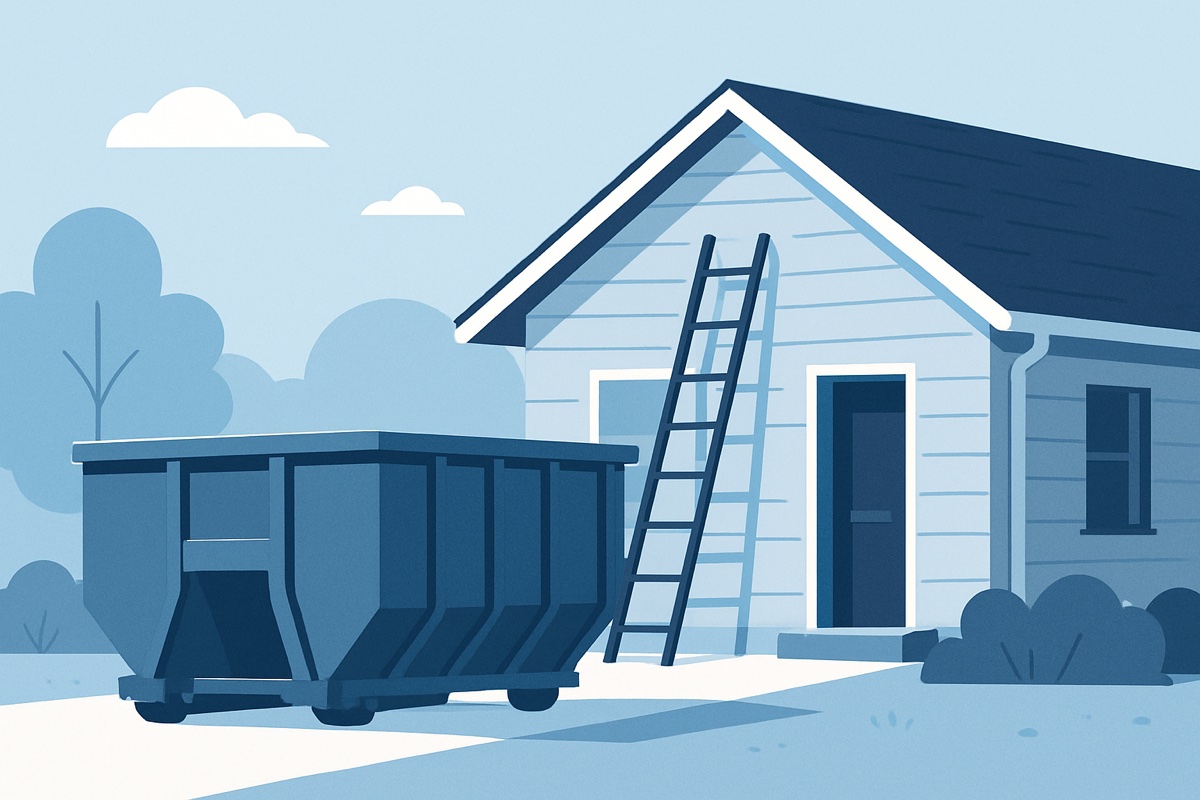
Get Free Dumpster Rental Quotes in Grand Prairie
Tell us about your project and local Grand Prairie providers will follow up with pricing and availability.
Roll-Off Dumpster Sizes and Best Uses
Roll-off dumpsters in Grand Prairie typically come in four standard sizes: 10, 20, 30, and 40 cubic yards. The 10-yard works for small bathroom remodels or garage cleanouts. The 20-yard handles most single-room renovations and moderate debris loads. The 30-yard fits whole-house cleanouts and roof replacements. The 40-yard is built for new construction, complete demolitions, and commercial projects generating heavy volumes.
Residential Cleanout and Remodel Sizes
A 10-yard container measures roughly 12 feet long by 8 feet wide by 3.5 feet tall—small enough to fit in most driveways without blocking the sidewalk. This size holds about three pickup truck loads, making it right for clearing out an attic, replacing flooring in two bedrooms, or gutting a single bathroom. Weight limits usually cap at 2-3 tons, enough for furniture, boxes, and light construction debris but not dense materials like concrete or dirt.
The 20-yard dumpster becomes the default choice for kitchen remodels, deck removals, and whole-home carpet tearouts. At approximately 22 feet long, 8 feet wide, and 4.5 feet tall, it accommodates cabinets, countertops, old appliances, and the drywall from multiple rooms. Most Grand Prairie providers set weight limits between 3-4 tons for this size. If you’re tearing out tile, expect to hit that limit faster than with wood or drywall—a 300-square-foot tile floor with underlayment can add 2,000 pounds before you account for anything else.
Construction and Demolition Container Options
The 30-yard container runs about 22 feet long and 6 feet tall, creating enough capacity for a complete roof tearoff on a 2,500-square-foot home or a full-house cleanout with furniture, appliances, and years of accumulated belongings. Roofers prefer this size because asphalt shingles are dense—a typical roof replacement generates 3-5 tons of material. The container’s height matters here: you can toss debris from ground level without climbing, but the walls are low enough that most workers can still pitch materials over the side.
A 40-yard roll-off dumpster stretches to 22 feet long and stands 8 feet tall, holding roughly 12 pickup truck loads. New home builders use these for framing waste, packaging materials, and the continuous debris stream that comes with ground-up construction. Commercial demolition projects—tearing down an old retail space or office build-out—generate enough volume to justify this size. Weight limits typically reach 5-6 tons, though some providers in Dallas County allow higher limits for an additional fee. The tall walls mean you’ll need clear overhead space for the delivery truck’s hydraulic arm, usually 23 feet of vertical clearance from street to power lines.
Pricing and Weight Limit Guidelines
Rental costs in Grand Prairie generally range from $300 to $600 for a week-long period, depending on container size and debris type. The final bill reflects three components: a base rental fee covering delivery and pickup, an included weight allowance (typically 1-4 tons), and potential overage charges if your debris exceeds that tonnage limit.
How Rental Costs Are Calculated
The base rate bundles the container itself, transport to your property, a rental period (usually 7-10 days), and haul-away service. A 10-yard unit for light household cleanouts might start around $325, while a 40-yard roll-off dumpster for commercial demolition projects often runs $550 or more. These figures assume you’re disposing of standard mixed waste—not specialty materials.
What you’re discarding matters as much as container size. Roofing shingles and concrete create higher disposal fees at Dallas County landfills than furniture or drywall, so providers often adjust pricing for heavy construction debris. Location within Grand Prairie also plays a role; properties farther from the rental company’s yard sometimes carry modest fuel surcharges, though most residential addresses fall within standard service zones.
Overage Fees and Tonnage Allowances
Each rental includes a weight allowance built into the quoted price—commonly 2 tons for smaller containers and up to 4 tons for larger units. Exceed that threshold and you’ll pay per-ton overages, which generally range from $50 to $90 per additional ton in the Grand Prairie area. A homeowner tearing out a concrete patio might load 6 tons into a 20-yard container with a 3-ton allowance, triggering roughly $150-$270 in extra fees.
Estimating weight before you load prevents surprises. A cubic yard of mixed household junk weighs around 300-400 pounds, while a cubic yard of dirt or brick pushes 2,000-3,000 pounds. If your project involves dense materials—old appliances, landscaping stone, or asphalt—ask the provider to calculate a realistic allowance upfront. Some companies offer higher tonnage limits for a slightly increased base rate, which often costs less than paying overages after the fact.
Permitted Materials and Disposal Rules
Grand Prairie dumpster rentals accept most common waste streams—household junk, construction debris, yard waste, and old furniture—but prohibit hazardous materials like paint, chemicals, tires, and electronics. Rental companies follow Dallas County solid waste regulations and charge overage fees if your load exceeds the container’s weight limit, typically 2-4 tons for residential dumpsters and up to 10 tons for construction roll-offs.
Generally Accepted Materials
Standard roll-off dumpsters handle the bulk of residential and light commercial waste without restriction. Furniture, appliances (refrigerant removed), carpeting, drywall, wood framing, shingles, and concrete all qualify as acceptable materials. Yard waste like branches, leaves, and soil goes in most containers, though some providers prefer separate green waste bins for composting programs.
Construction debris makes up the heaviest category. Jobsites generate broken concrete, asphalt chunks, brick, and lumber scraps that fit within standard construction dumpster sizes. Mix these materials freely—you don’t need to separate wood from drywall or metal studs from insulation. The main concern is weight, not composition.
Prohibited Items and Why They Matter
Texas disposal facilities reject hazardous waste for environmental and safety reasons. Paint (even dried), motor oil, antifreeze, pesticides, and cleaning chemicals require specialized handling at county hazmat collection sites. Car batteries, propane tanks, and medical waste fall into the same category. Tires don’t qualify as hazardous but need dedicated recycling streams—landfills won’t accept them mixed with general waste.
Electronics carry separate restrictions under state e-waste laws. Televisions, computers, monitors, and printers contain recoverable materials that must go through certified recyclers. Most rental companies maintain drop-off partnerships or can arrange pickup for an additional fee. Mattresses and box springs often incur surcharges ($10-25 each) because recycling facilities charge processors to handle them.
Weight Limits and Overage Charges
Rental agreements specify a weight allowance based on dumpster sizes—a 10-yard container typically includes 1-2 tons, while a 30-yard allows 3-4 tons. Exceed that threshold and you’ll pay overage fees ranging from $50-100 per ton. Concrete and dirt are the usual culprits. A 10-yard dumpster holds about 7 cubic yards of broken concrete before hitting weight limits, far less than its physical capacity.
Providers weigh loads at the landfill scale and bill you for the difference. A demolition project generating heavy debris benefits from ordering based on weight rather than volume. If you’re tearing out a concrete patio, ask for a smaller container with a higher weight allowance instead of a larger bin you can’t fully fill.
Delivery Zones and Placement Requirements
Grand Prairie dumpster services typically deliver within city limits and extend 10-15 miles into surrounding Dallas County areas, though fees increase with distance. Your driveway, street, or construction site must provide 60 feet of overhead clearance, 14 feet of width for truck access, and a stable surface that can support 10+ tons when the container is full.
Standard Service Areas in Dallas County
Most providers base their operations from central Grand Prairie and service the entire 81-square-mile city without distance charges. Neighborhoods south of I-20, near Joe Pool Lake, and areas north toward DFW Airport fall within standard zones. If your project sits in neighboring cities like Arlington, Cedar Hill, or Duncanville, expect delivery fees ranging from $50 to $150 depending on exact mileage from the provider’s yard.
Some companies draw hard boundaries at county lines. A site in southern Tarrant County might fall outside a Grand Prairie provider’s territory entirely, while others treat it as an extended zone with premium pricing. Always confirm your specific address during booking rather than assuming proximity to Grand Prairie guarantees coverage.
Surface and Access Requirements
The delivery truck needs a straight, unobstructed path roughly 60 feet long and 10-14 feet wide. Sharp turns, low-hanging tree branches, and power lines create problems. Drivers pulling a roll-off dumpster can’t execute tight maneuvers like a pickup truck can.
Placement surfaces matter more than most people expect. Asphalt driveways soften in Texas summer heat, and a loaded 20-yard container can leave permanent tire ruts or depressions. Concrete handles the weight better, but older residential driveways may crack if the pour was thin or the base wasn’t properly compacted. For new asphalt or decorative pavers, request plywood boards under the container and wheels—most companies provide this upon request. Grass and dirt work only if the ground stays dry; spring rains turn yards into mud pits where trucks sink and can’t retrieve containers without causing serious damage.
Permit Requirements for Street Placement
If your driveway can’t accommodate a container, street placement becomes necessary. Grand Prairie requires permits for any dumpster placed on public right-of-way, including residential streets. The permit application goes through the city’s Public Works Department and typically costs $25-50 for short-term use.
You’ll need to show the container won’t block traffic flow, fire hydrants, or utility access. Narrow streets in older Grand Prairie neighborhoods sometimes can’t legally accommodate street-placed containers because they’d force cars into oncoming lanes. The city also prohibits placement that blocks sidewalks or ADA-compliant pathways. Processing takes 3-5 business days, so factor this into your project timeline. The rental company doesn’t handle permitting—that responsibility falls on you as the customer, though experienced providers will tell you exactly what the city requires.
Dumpster Rental in Nearby Texas Cities
Ready to get started?
Frequently Asked Questions About Dumpster Rental in Grand Prairie
How much does dumpster rental cost in Grand Prairie?
Dumpster rental in Grand Prairie typically runs between $300 and $600 for a week-long rental, depending on the container size and what you are throwing away. A 10-yard unit for light household cleanouts might start around $325, while a 40-yard roll-off for commercial demolition often runs $550 or more. Treat these as estimates and request a quote, since heavy debris like concrete and shingles can add disposal and overage fees.
Do I need a permit for a dumpster in Grand Prairie?
If the container sits on your own driveway or private property, you usually do not need a permit. Grand Prairie does require a permit for any dumpster placed on a public street or right-of-way, applied for through the city’s Public Works Department, typically costing $25 to $50 with a 3 to 5 business day processing time. The rental company does not handle permitting, so that responsibility falls on you as the customer.
What size dumpster do I need for my Grand Prairie project?
A 10-yard works for small bathroom remodels or garage cleanouts, and a 20-yard handles most single-room renovations and moderate debris loads. The 30-yard fits whole-house cleanouts and roof replacements, while the 40-yard is built for new construction, full demolitions, and commercial projects with heavy volumes. Choosing the right size up front saves you from paying for space you will not use or scheduling a second delivery mid-project.
How long can I keep a roll-off dumpster in Grand Prairie?
Most Grand Prairie providers include a rental period of about 7 to 10 days in the base rate, which covers delivery, the container, and haul-away. If you need the dumpster longer, most companies will extend the rental for an added daily or weekly fee. Confirm the included window and any extension charges with your provider before you book.
What can I not put in a dumpster in Grand Prairie?
Grand Prairie rentals prohibit hazardous materials like paint, motor oil, antifreeze, pesticides, and cleaning chemicals, which require specialized handling at county hazmat collection sites. Car batteries, propane tanks, medical waste, tires, and electronics such as televisions and computers are also kept out and need dedicated recycling streams. Heavy materials like concrete and dirt are accepted but fill the weight allowance quickly, so ask your provider about tonnage limits to avoid overage fees.