When you’re managing a renovation, construction project or property cleanout, timing is everything. Waiting on a late dumpster delivery truck can stall your progress and throw off your schedule. It’s a common pain point for contractors and property managers who rely on fast, reliable service to keep projects moving.
Choosing the right dumpster delivery truck service isn’t just about finding the lowest price. You need a provider that offers flexibility, prompt drop-offs and pickups and the right container size for your space. Whether you’re dealing with tight residential driveways or heavy industrial waste, a dependable delivery truck makes all the difference in avoiding delays, surprise fees and frustrated clients.
What Is a Dumpster Delivery Truck?
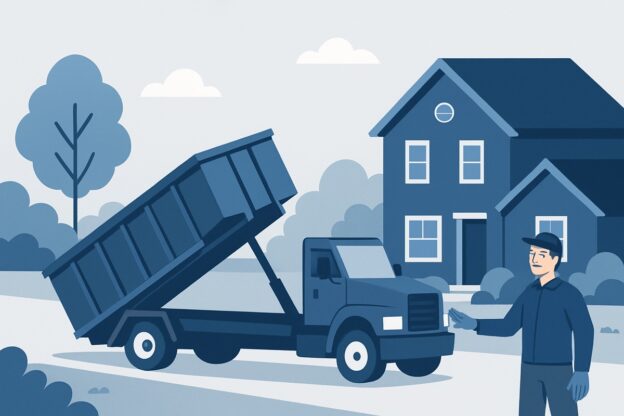
A dumpster delivery truck transports roll-off dumpsters to project sites, making on-time waste management possible for property managers and contractors. These specialized vehicles use hydraulic systems to load and unload containers with speed and precision into residential driveways, commercial parking lots, or tight urban spaces. Standard models include roll-off trucks with rails and winches, capable of handling common dumpster sizes between 10 and 40 cubic yards—helping you fit the dumpster to your cleanup or construction needs.
These trucks support short-term or urgent projects by offering same or next-day drop-off and fast pickups, which keeps your property turnovers and job sites moving without delay. If you handle building cleanouts, estate turnovers, or manufacturing waste, a reliable dumpster delivery truck lets you minimize downtime, avoid project stalls, and prevent additional rental or overage fees.
Operators of reputable dumpster delivery trucks are trained to avoid property damage and place containers carefully, even in tight spaces, addressing key concerns for facility managers and property owners. These haulers often carry insurance and follow local regulations, so you’ll meet permit requirements and manage specialized waste types more efficiently. By choosing services that invest in dependable dumpster delivery trucks, you stay on schedule, safeguard your property, and maintain compliance—reducing hassle on every rental.
Key Features of Dumpster Delivery Trucks
Dumpster delivery trucks use specialized features to meet the demands of property managers, contractors, and industrial clients requiring fast, reliable, and compliant waste removal. These vehicles support multiple container sizes and advanced handling systems for diverse job site needs.
Size and Capacity Options
Size and capacity options for dumpster delivery trucks allow you to handle anything from residential cleanouts to heavy industrial waste. Common trucks transport front-load dumpsters ranging from 2 to 10 cubic yards and rear-load units from 2 to 6 cubic yards. Hook-lift models accommodate dumpsters up to 20 cubic yards. Specialized trucks support hoists rated for 8,000 lbs and heavy-duty options with 60,000-lb capacity suit scrap or industrial waste generated by factories or manufacturing facilities. Municipal projects sometimes use large-scale systems with 35+ cubic yard containers for high-volume waste management. These options help you avoid service gaps, overweight fees, or project stalls caused by undersized dumpsters or overloaded equipment.
| Container Type | Size Range (cubic yards) | Typical Weight Capacity |
|---|---|---|
| Front-load | 2–10 | Up to 8,000 lbs |
| Rear-load | 2–6 | Up to 8,000 lbs |
| Hook-lift | Up to 20 | Up to 60,000 lbs (special) |
| Municipal/Industrial | 35+ | High-volume, heavy-duty usage |
Loading and Unloading Mechanisms
Loading and unloading mechanisms directly impact how efficiently your provider swaps full containers and minimizes downtime. Hydraulic hook-lift systems secure containers with front-mounted hooks, supporting quick placement and retrieval. Cable hoists use winches to haul larger dumpsters (20+ yards), making them suitable for bulky loads or specialized industrial waste. Ampliroll systems offer dual-operation controls, giving flexibility for varied projects and waste types. Dual rails and molded rubber bumpers stabilize containers during transit so your property or job site remains protected from shifting or damage. Many trucks use joystick controls and rotating heads for precise alignment at delivery and pickup, preventing delays and property headaches common for renters and property managers.
Safety Features
Safety features on dumpster delivery trucks keep your crew, property, and projects secure. Audible backup and hoist-up alarms reduce risk during on-site maneuvering, with added visual signal lights to alert staff. Ratchet straps or worm/turntable gear bearings lock dumpsters in place, avoiding dangerous shifts en route. Low-profile chassis with parabolic spring suspensions give these trucks extra stability, especially when navigating tight driveways or industrial yards. Recessed LED lighting and optional camera kits enhance visibility for operators, which helps during nighttime deliveries or when working in high-traffic business areas. Adhering to OSHA and municipal guidelines, these safety components protect against accidents and compliance issues so your operation stays uninterrupted.
Pros and Cons of Using a Dumpster Delivery Truck
Dumpster delivery trucks impact your project’s waste management efficiency, influencing timelines, site logistics, and cost. Understanding how these vehicles fit construction, cleanout, and property management jobs helps you make informed rental decisions.
Advantages for Construction and Cleanup Projects
- High Capacity: Delivery trucks transport roll-off dumpsters up to 40 cubic yards, accommodating heavy debris like roofing, concrete, and demolition materials. This benefits industrial clients and contractors handling large waste volumes or multiple waste streams.
- On-Site Convenience: Placement directly at your project site means you avoid frequent hauls or moving containers manually. Property managers and event organizers save time coordinating waste removal compared to tow-behind or smaller options.
- Scheduled Service: Long-term rentals with scheduled swaps suit ongoing construction, industrial, or turnover projects. Regular pickups minimize downtime from full dumpsters and let you maintain clean, safe sites without disrupting schedules.
- Easier Permitting: Stationary roll-off dumpsters typically need permits only when placed on public roads, easing hassles in busy areas. This benefits commercial sites with space but limited public access, reducing delays from regulatory issues.
Potential Drawbacks to Consider
- Space Requirements: Trucks need ample space to position and retrieve dumpsters. Tight residential driveways, busy shopping centers, or urban lots may complicate delivery and pickup, risking schedule impacts or additional coordination.
- Limited Flexibility: Once delivered, roll-off dumpsters cannot be moved without professional help. If you need to shift container locations mid-project—for example, during phased retail renovations—additional truck visits increase logistical complexity and costs.
- Accessibility Challenges: Trucks may struggle with low-clearance entries or narrow roads at some event venues or historic properties. Failed deliveries slow waste removal, affect turnaround times for property managers, or stall industrial operations.
- Cost Factors: You incur fees for delivery, overweight loads, and rental extensions if plans change. Event planners, contractors, and property managers risk unplanned expenses when estimates fall short, dumpsters overfill, or timelines extend.
| Advantage/Drawback | Description | Relevant Personas |
|---|---|---|
| High Capacity | Up to 40-yard dumpsters handle heavy/dense waste | Contractors, Industrial |
| On-Site Convenience | Direct placement reduces handling and coordination | Property Managers, Event Planners |
| Scheduled Service | Regular pickups keep projects on schedule | Construction, Commercial |
| Easier Permitting | Permits often needed only for public-road placement | Urban Businesses, Event Planners |
| Space Requirements | Ample site space needed for safe placement and retrieval | Retailers, Residential, Event Planners |
| Limited Flexibility | Dumpsters require professionals to relocate once onsite | Property Managers, Contractors |
| Accessibility Challenges | Narrow drives and low-clearance block truck access | Urban Sites, Historic Properties |
| Cost Factors | Delivery, overage, and time extension fees add to total cost | All personas |
Top Models and Brands in the Market
Dumpster delivery truck models and brands vary in build, strength, and configuration, helping you match the right equipment to your waste volume, project duration, and operational demands. Leading manufacturers consistently supply reliable trucks and container delivery units trusted for both residential and industrial tasks.
Leading Manufacturers
- Stellar Industries designs container carriers that accommodate residential and commercial containers from 2 to 10 yards, supporting loads up to 8,000 lbs and providing rotation features for efficient pickup and dumping.
- Galbreath produces robust handlers for both front- and rear-load containers, offering versatility for contractors managing property turnovers or short-term renovations requiring reliable swap cycles.
- Heil Environmental maintains a reputation for dependable garbage and refuse vehicles favored by waste collection agencies prioritizing long-term durability and regulatory compliance.
- New Way manufactures front-loaders crafted from high-tensile steel, serving projects that require strength and resilience for heavy or abrasive debris streams.
- Amrep integrates Hardox wear plate steel in its truck bodies, extending equipment lifespan for industrial users facing repeated, high-impact loading cycles.
- Premier Truck Sales & Rental fits container delivery units to Kenworth T280 and International HV 607 chassis, meeting needs for maneuverable trucks in tight urban spaces or driveways.
Standout Models and Specifications
- Stellar Container Carriers handle front- and rear-load containers from 2 to 10 yards, lift up to 8,000 lbs, and rotate containers for fast, low-impact delivery or removal, minimizing site disruption.
- Galbreath CDU supports flexible container handling—benefiting rental customers who need rapid, on-call service for turnovers or multi-dumpster deployments.
- Palfinger CDU Bodies pair with Kenworth and International trucks, combining solid construction and reliability suited for both scheduled and urgent hauls.
- Heil Refuse Bodies are routinely chosen by municipal and commercial haulers needing equipment proven across thousands of pickups and strict compliance checks.
- Amrep Hardox-Steel Bodies offer long-term cost control for industrial clients by withstanding high-wear waste and frequent load cycles without structural fatigue.
| Manufacturer | Notable Models/Specs | Key Context | Typical Applications |
|---|---|---|---|
| Stellar Industries | 2–10 yd carriers, 8,000 lbs | Rotating carrier, quick dumps | Residential, property turnover |
| Galbreath | CDU container handlers | Front/rear load, rugged durability | Renovation, contract hauling |
| Premier Truck Sales | Kenworth T280, Int’l HV607 | Maneuverable units, CDU options | Urban, multi-site projects |
| Heil Environmental | Refuse bodies | Agency preference, compliance focus | Municipal, enterprise waste |
| New Way | High-tensile front loaders | Abrasive debris, strength required | Heavy commercial waste |
| Amrep | Hardox plate steel bodies | Industrial, wear-resistant | Heavy industrial waste |
| Palfinger | CDU bodies (with Ken/Int’l) | Strength, reliability | Mixed fleet deployments |
Choosing established manufacturers and proven models ensures your dumpster delivery trucks align with project priorities—like timely swaps for property managers, compliance for industrial users, or flexibility in residential settings. Selecting the right model and brand helps prevent project stalls and extra fees while supporting safety, reliability, and streamlined waste removal.
Tips for Choosing the Right Dumpster Delivery Truck
Selecting the right dumpster delivery truck ensures smooth waste management for any project type. Match your truck choice to the project scale, debris type, timeline, and safety needs.
Assessing Project Needs
Define your waste volume and debris type before choosing a truck. Match roll-off dumpsters and delivery trucks to your project’s requirements—residential, construction, or industrial. Choose roll-off trucks that handle 10–40 cubic yard dumpsters for maximum flexibility. Use trucks compatible with 18–22 ft containers if you expect oversized loads. Select hook-lift trucks for small to mid-sized jobs (up to 20 cubic yards), or cable hoist trucks for larger dumpsters and denser debris like scrap or concrete. Ampliroll hook-lift trucks support both container and flatbed operations, increasing adaptability for changing project demands. Prioritize fast cycle times and efficient unloading systems, especially for jobs needing prompt swaps or high waste output.
Factor in access and placement. Choose trucks sized for maneuvering in tight spaces or residential areas when property managers or event planners need curbside dumpster access. Confirm the provider’s ability to schedule same- or next-day service to avoid stalling progress, as reliability ranks highest for both contractors and property stakeholders.
Maintenance and Support Considerations
Confirm truck reliability and provider maintenance strategies before booking. Select brands with a history of ruggedness and minimal operational downtime, such as Galbreath, which reduces long-term costs and disruptions. Choose providers offering rental or purchase plans that include scheduled maintenance, parts support, or add-on features like camera kits, work lights, and toolboxes to increase operational safety and efficiency on site.
Choose vendors with proven safety, compliance records, and insurance coverage, especially when handling hazardous or industrial waste. Prioritize trucks maintained under proper schedules for safer operation and adherence to OSHA or local environmental guidelines. When evaluating ongoing project needs, select service providers that offer regular swap contracts or on-call support for quick dumpster exchanges, ensuring continuous site operation and avoiding costly project delays.
| Truck Type | Typical Dumpster Size Range | Best Use Case | Features |
|---|---|---|---|
| Hook-lift | Up to 20 yd³ | Residential, light commercial | Maneuverable, dual operations possible |
| Cable hoist | 20–40 yd³ | Heavy debris, industrial | High capacity, suited for larger dumpsters |
| Ampliroll (hook-lift) | 18–22 ft containers | Versatile, dual operation, industrial | Container/flatbed flexibility |
Conclusion
When you’re planning a project that generates significant waste choosing the right dumpster delivery truck can make all the difference. With so many options available it’s essential to match the truck and container size to your specific needs for efficiency and peace of mind.
Reliable service providers with well-maintained trucks and experienced operators help you avoid delays and extra costs. By focusing on flexibility safety and proven equipment you’ll set your project up for smooth waste management and keep your timeline on track.
Frequently Asked Questions
What is a dumpster delivery truck?
A dumpster delivery truck is a specialized vehicle designed to transport and deliver roll-off dumpsters to project sites. It uses hydraulic systems to load and unload containers of various sizes, ensuring efficient waste removal for construction, renovation, or cleanout projects.
Why is timely dumpster delivery important for projects?
Timely dumpster delivery helps keep projects on schedule, prevents work stoppages, and avoids costly delays. Reliable service ensures your team can quickly manage waste, reducing downtime and frustration for both contractors and property managers.
What factors should I consider when choosing a dumpster delivery service?
Beyond cost, consider the provider’s flexibility, promptness, container size options, safety features, and reputation. Choose companies that offer reliable scheduling, support, and appropriate dumpster sizes to fit your specific project needs.
What sizes of dumpsters are available for delivery?
Dumpster delivery trucks can handle a range of container sizes, typically from 10 to 40 cubic yards. This variety accommodates everything from small residential cleanouts to large-scale industrial projects and heavy debris.
How do dumpster delivery trucks load and unload containers?
Most trucks use hydraulic hook-lift systems or cable hoists to quickly and safely load or unload dumpsters. These mechanisms minimize downtime and help operators efficiently place containers in various locations on your site.
Are there safety features on dumpster delivery trucks?
Yes, modern dumpster delivery trucks are equipped with safety features like audible alarms, locking mechanisms, hydraulic controls, and enhanced visibility options to protect crews, properties, and operators during operation.
What are the main advantages of using dumpster delivery trucks?
Advantages include high capacity for heavy debris, on-site convenience, scheduled pickups and swaps, and easier permitting. They help projects run smoothly by ensuring efficient and reliable waste management.
Are there any drawbacks to using dumpster delivery trucks?
Potential drawbacks include the need for ample on-site space, limited flexibility in relocating dumpsters once placed, possible access challenges in tight areas, and the cost associated with large or specialized services.
Which brands are best for dumpster delivery trucks?
Leading brands include Stellar Industries, Galbreath, Heil Environmental, New Way, and Amrep. These manufacturers are known for their reliable models, durability, and specialized features that suit a variety of project needs.
How do I choose the right dumpster delivery truck for my project?
Assess your project’s scale, type of debris, site access, and timeline. Match these factors with the right truck type (such as hook-lift or cable hoist) and container size, and ensure the service provider offers dependable scheduling and support.
What maintenance and support should I expect from a dumpster delivery service?
Choose providers and brands that offer regular maintenance plans, safety inspections, and responsive support. Well-maintained trucks and containers reduce the risk of accidents and delays, ensuring your project stays on track.
Part of our How to Rent a Dumpster: A Step-by-Step Guide for Homeowners, Contractors, and Businesses series.