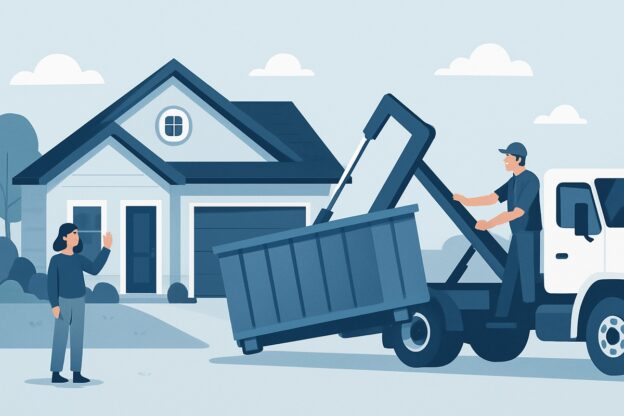
When you’re managing a property or tackling a big cleanout, finding a dumpster rental company that meets your needs can make all the difference. Fast drop-offs and reliable pickups aren’t just nice to have—they’re essential for keeping your project on track. Delays or missed pickups can stall your timeline and even cost you money, especially if you’re turning over rental units or coordinating with contractors.
You want a service that’s flexible, offers containers that fit tight spaces, and won’t surprise you with hidden fees. Professionalism matters too, from insured crews to clear communication about local rules and permits. Most people start their search online, looking for companies with solid reviews and a proven track record. In a market where reliability and speed are top priorities, choosing the right dumpster rental company is key to a smooth, stress-free project.
What to Look for in a Dumpster Rental Company
Choosing a dumpster rental company impacts how efficiently you manage waste during property turnovers, construction, events, or industrial cleanouts. The right provider offers options, reliability, and peace of mind.
Range of Dumpster Sizes
Evaluating dumpster size options ensures you match containers to your project needs. Residential turnovers and events typically require compact sizes (10–20 yards) that fit in driveways or parking lots. Construction and industrial projects often demand larger capacities (30–40 yards) or multiple units. Companies with diverse inventory handle anything from household junk to heavy industrial debris.
Pricing and Fee Structure
Reviewing pricing and fees helps you avoid unexpected charges. Transparent companies quote all costs upfront, including delivery, pickup, rental duration, and potential overage/weight limits. Many customers, especially property managers and event planners, favor vendors with reasonable rates but also pay a premium for guaranteed speedy service or specialized handling. Watch for additional fees tied to restricted materials, permits, or overweight loads.
Rental Period Flexibility
Assessing flexibility in rental terms supports changing project timelines and last-minute adjustments. Companies offering short-term rentals, on-call pickups, or easy extensions keep your operations on track. Event planners and property managers especially benefit from providers who can align delivery and removal with tight schedules or shifting needs.
Customer Service and Support
Strong customer support distinguishes reliable companies. Look for proven responsiveness—companies that schedule according to your deadlines, communicate clearly, and resolve issues fast. Favor insured and professional teams with good reviews who provide guidance on regulations, permits, or waste restrictions. Industrial and construction clients rely on partners who deliver compliance, safety, and prompt swaps if a container fills unexpectedly.
Pros and Cons of Using a Dumpster Rental Company
Choosing a dumpster rental company presents several advantages and potential drawbacks depending on your project scope, site size, and regulatory environment. Consumer expectations—such as fast service, easy scheduling, and regulatory compliance—shape the experience.
Advantages of Renting a Dumpster
- Cost-effective disposal: Dumpster rental companies typically offer fixed rates based on container size, helping you avoid costly variable fees from per-load or repeated trips. For example, property managers and contractors save on multiple hauls compared to traditional junk removal services.
- Schedule flexibility: You select rental periods that align with your project, whether you’re a landlord overseeing rapid turnovers or a contractor juggling unpredictable construction timelines.
- Centralized safety: Onsite dumpsters keep debris in a single location, reducing trip hazards and keeping worksites—like renovation or commercial cleanouts—safer for your teams.
- Versatility for project size: A variety of container sizes accommodates projects from single-room cleanouts to multi-site industrial operations. Selecting the right size handles excess waste, preventing unplanned costs.
- Efficient workflow: Renting a dumpster removes the need for repeated supply runs. Contractors, property managers, and facilities benefit when streamlined pickups and drop-offs minimize project interruptions.
Potential Drawbacks to Consider
- Space limitations: Dumpsters demand adequate space. If working in apartment complexes or retail plazas, miscalculating waste volume or placement often leads to overfilled containers or the need for a second rental.
- Permit requirements: Some municipalities require permits to place dumpsters on city streets or public property. Navigating these rules may add time and cost, especially for commercial sites or multi-family properties.
- Access restrictions: Limited driveway or lot space restricts placement options, especially in dense residential areas or downtown businesses. Improper placement risks blocking parking or violating local ordinances.
- Environmental compliance: Regulations forbid loading hazardous materials or restricted waste into rental dumpsters. Property and facility managers must vet what materials go into containers to avoid penalties.
- Long-term rental costs: Delays in project completion or inaccurate estimates of needed rental time can lead to additional charges. Extended rentals often impact budgets for larger renovations or property turnovers.
| Advantage/Drawback | Example Context | Impact |
|---|---|---|
| Cost-effective | Property managers, contractors | Fixed pricing lowers costs |
| Schedule flexibility | Renovations, evictions, turnovers | Adjust rental to project pace |
| Safety | Construction or cleanout sites | Reduces on-site hazards |
| Versatility | Single-family to industrial projects | Prevents overpayment |
| Efficiency | Ongoing commercial projects | Streamlines waste removal |
| Space limitations | Tight parking or busy retail | May require extra rentals |
| Permit requirements | Urban cleanup, downtown businesses | Adds time/cost, must comply |
| Access restrictions | Apartment complexes, small lots | Can complicate logistics |
| Environmental compliance | Business/industrial property managers | Prevents legal/fee issues |
| Long-term rental costs | Delayed renovations or turnovers | Risk of added charges |
If your priority is hassle-free, cost-effective waste disposal with flexibility and efficiency, dumpster rental companies offer clear advantages—provided you accurately plan for space, compliance, and timing.
How to Choose the Right Dumpster Rental Company
Choosing the right dumpster rental company impacts your project’s costs, timeline, and compliance. The best companies combine reliability, clear pricing, and proven reputations tailored to your waste disposal needs.
Assessing Reputation and Reviews
Evaluating reviews and reputations leads to better service. Search for consistent ratings tied to punctual deliveries, project experience, and reliable pickups—common pain points for property managers and builders. Select companies with a track record of success in projects like property turnovers, construction sites, or industrial cleanouts. Strong companies report insured crews, clear communication, and documented service reliability. Industry directories and peer referrals also offer valuable context for commercial and event-planning needs.
Evaluating Environmental Practices
Evaluating environmental practices identifies companies that ensure compliance and sustainability. Confirm waste sorting standards and partnerships with certified recycling centers—critical for commercial, industrial, and event projects managing various waste types. Ask about diversion rates and policy compliance if details aren’t public. Choose providers open to sharing how they meet local regulations and prioritize eco-friendly disposal, as property owners and event planners often favor companies able to document sustainable methods.
Tips for a Smooth Dumpster Rental Experience
Efficient planning with your dumpster rental company lowers costs and helps you avoid common project delays. Sound preparation and a clear understanding of disposal rules keep you in compliance while streamlining your project.
Preparing for Delivery and Pickup
Effective coordination for delivery and pickup of your dumpster ensures that project timelines remain on track and unwanted fees are minimized.
- Schedule delivery in advance for better availability, especially if you need same-day service or work within tight property management, construction, or event planning windows.
- Request flexible pickup options to match unpredictable project completion dates or extended cleanout timelines.
- Confirm delivery and removal times directly with the company to avoid delays that could stall turnovers, disrupt tenants, or interfere with business.
- Check that vehicles can access the location, factoring in driveway or parking lot sizes, especially on residential or retail properties with limited space.
- Ensure the drop-off area is clear of vehicles, equipment, or obstacles to prevent property damage—a key concern for managers and building owners.
Understanding What Can and Cannot Be Disposed
Disposing of only approved materials helps you avoid extra fees or regulatory issues and meets the standards set by your dumpster rental company.
- Ask for a list of accepted and prohibited materials, since most providers do not accept hazardous waste (e.g., paint, chemicals, batteries).
- Monitor your debris weight and avoid exceeding the dumpster’s weight limit to prevent costly overage charges; for context, 5–6 standard 33-gallon trash bags equal about 1 cubic yard.
- Do not overfill your dumpster above the fill line to ensure safe transportation and avoid fines.
- Separate recyclables or restricted items in advance, since many event planners and facility managers require environmental compliance and waste sorting for sustainability.
- Secure permits as required if placing dumpsters on public property or roads—critical for compliance and to avoid delays due to local regulations.
| Key Practice | Importance For Personas (Examples) | Potential Consequence If Ignored |
|---|---|---|
| Schedule delivery/pickup in advance | Building managers, contractors, event coordinators | Project delays or missed deadlines |
| Choose correct dumpster size | Landlords (apartment cleanouts), builders (construction) | Overflow, additional rental expenses |
| Confirm accepted materials & weight | Store owners (electronics), industrial clients (scrap) | Fines, refused pickups, compliance risk |
| Keep fill line clear | Residential clients (driveway units), retail plaza owners | Safety issues, additional pickup fees |
Optimal communication with your dumpster rental company and thorough understanding of regulations significantly improve rental efficiency for busy property managers, contractors, and event pros.
Conclusion
Choosing the right dumpster rental company can make all the difference in keeping your project on track and stress-free. When you prioritize clear communication and take the time to research your options you’ll set yourself up for a smoother experience from start to finish.
Don’t hesitate to ask questions about service details or environmental practices. By staying proactive and informed you’ll avoid surprises and get the most value from your rental. With the right partner your next cleanout or construction project becomes a lot more manageable.
Frequently Asked Questions
What should I look for in a dumpster rental company?
Look for a company with a strong reputation, insured crews, a variety of container sizes, transparent fees, flexible rental periods, and responsive customer service. Make sure they follow local regulations and provide clear communication throughout the rental process.
Why is timely dumpster delivery and pickup important?
Timely delivery and pickup keep your project on schedule, prevent workspace clutter, and help avoid additional fees or delays that can increase costs or disrupt your timeline.
How can I avoid hidden fees with dumpster rentals?
Ask for a detailed quote that includes all possible fees, such as delivery, pickup, overage charges, or extended rental periods. Choose companies known for transparency and compare quotes from multiple providers before booking.
What container size do I need for my project?
Small containers are best for home cleanouts or minor renovations, while larger dumpsters suit construction, landscaping, or industrial projects. Discuss your needs with the rental company to ensure you select the correct size.
Are permits required for dumpster rentals?
Permits are often required if the dumpster will be placed on public property, such as a street or sidewalk. Check with your local municipality or ask your rental company about specific regulations in your area.
How can I make my dumpster rental more eco-friendly?
Choose a company that partners with certified recycling centers and follows proper waste sorting and disposal practices. Ask about their environmental policies to ensure responsible waste management.
What materials cannot be disposed of in a dumpster?
Commonly prohibited items include hazardous waste, chemicals, paints, tires, batteries, and electronic waste. Ask your rental company for a list of restricted items to avoid fines or additional handling fees.
How can I ensure a smooth dumpster rental experience?
Plan your project timeline, schedule delivery and pickup in advance, clear access to the drop-off area, and understand disposal rules. Communicate clearly with your rental provider to avoid delays or misunderstandings.
What are the pros and cons of using a dumpster rental company?
Pros include cost-effective waste disposal, flexible scheduling, centralizing debris for safety, and suitability for various project sizes. Cons can include space limitations, permit requirements, potential access issues, long-term costs, and environmental compliance needs.
How do I check a dumpster rental company’s reputation?
Read online reviews, ask for references, and ensure the company has a history of punctual deliveries and professional service. A reliable reputation is key for a hassle-free experience.