Dumpster rental in Milwaukee works through local waste management companies that deliver roll-off containers to your property for a flat-rate period (typically 7-14 days), with pricing that generally ranges from $300 to $600 depending on container size, rental duration, and what you’re throwing away. That cost difference matters because choosing the wrong size means either paying for unused capacity or scrambling for a second container mid-project, and Milwaukee’s disposal regulations add another layer—certain materials require special handling or trigger additional fees that many first-time renters don’t anticipate. The city’s housing stock creates specific challenges: older homes generate more demolition debris during renovations, narrow streets in neighborhoods like Bay View complicate delivery logistics, and winter weather can affect both scheduling and access. Getting a dumpster rental in Milwaukee right means understanding how local companies handle weight limits, what actually counts as “construction debris” versus restricted waste, and how to avoid the accessorial charges that inflate your final bill.
Get Free Dumpster Rental Quotes in Milwaukee
Tell us about your project and local Milwaukee providers will follow up with pricing and availability.
Dumpster Sizes and What They Hold
Dumpster Sizes and What They Hold
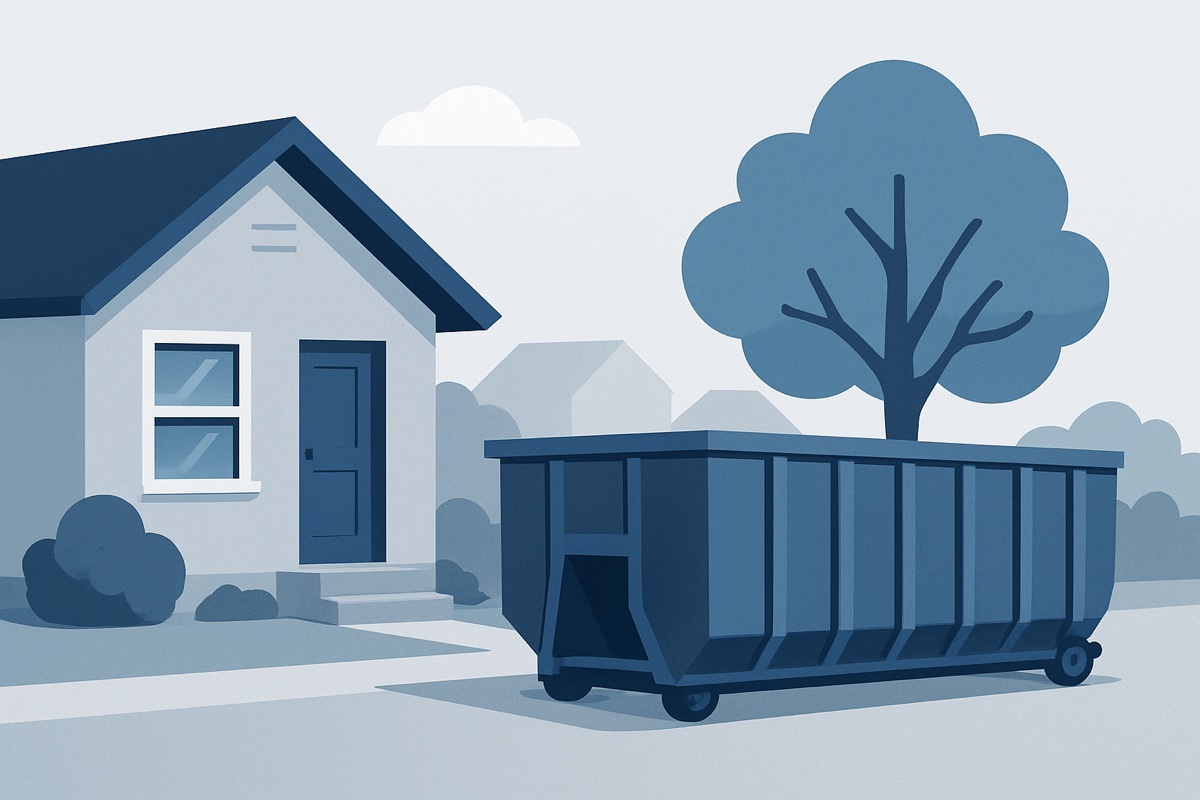
Roll-off dumpsters in Milwaukee come in four standard sizes: 10-yard, 20-yard, 30-yard, and 40-yard containers. A 10-yarder fits roughly three pickup truck loads, while a 40-yarder handles the contents of about twelve trucks. The right size depends on your project scope and the type of material you’re tossing.
Residential Project Container Options
A 10-yard dumpster works for small bathroom remodels, garage cleanouts, or minor landscaping projects. Picture a container about 14 feet long and 7 feet wide—it’ll hold debris from tearing out a single room or clearing years of accumulated junk from a shed.
Most homeowners doing kitchen renovations, deck replacements, or medium-sized additions choose a 20-yard dumpster. This size accommodates flooring removal from an entire house, old carpeting, cabinets, and the assorted construction debris from reframing walls. It’s the sweet spot for projects that generate more waste than you can haul yourself but don’t require a commercial-scale container sitting in your driveway for weeks.
Commercial and Construction Dumpster Sizes
The 30-yard container serves multi-unit renovation projects, large-scale demolition work, and new construction framing. Contractors use these for whole-house gut jobs or commercial tenant improvements where you’re pulling out everything down to the studs. At roughly 22 feet long, these dumpsters need adequate street or lot space—something to confirm with your rental company before delivery in older Milwaukee neighborhoods with narrow streets.
A 40-yard dumpster handles complete building teardowns, major commercial construction projects, and large-scale cleanouts. These containers typically include weight limits around 4-6 tons, though the actual allowance varies by company and material type. Heavy materials like concrete, brick, or dirt often require separate pricing because they max out weight limits long before filling the container. If you’re demolishing a foundation or clearing heavy construction debris, ask about material-specific containers rather than assuming a standard 40-yarder will work for your needs.
Milwaukee Rental Costs and Weight Limits
Dumpster rental in Milwaukee typically costs between $300 and $600 for a week-long rental, depending on container size and what you’re throwing away. A 10-yard dumpster for light household cleanouts generally runs $300-$375, while a 30-yard roll-off for construction debris pushes closer to $500-$600. These base rates usually include 1-2 tons of disposal weight, with overages billed at $50-$80 per additional ton.
Typical Pricing for Roll-Off Dumpsters
Milwaukee providers base their rates on three factors: dumpster size, rental duration, and debris type. A 20-yard container—the most common choice for whole-house renovations—generally ranges from $400 to $500 for seven days. That price covers delivery, pickup, and disposal of standard household waste or light construction materials. Concrete, asphalt, and dirt require separate pricing because they’re significantly heavier and incur higher landfill tipping fees at Milwaukee County facilities.
Most companies quote flat-rate pricing that bundles everything together, which simplifies budgeting but requires careful attention to what’s actually included. A quoted price might cover two tons of debris in a 15-yard dumpster but only one ton in a 10-yard container. Always confirm the weight allowance before booking, especially if you’re disposing of roofing shingles or other dense materials that fill space slowly but add weight quickly.
Weight Allowances and Overage Fees
Standard weight limits in Milwaukee sit between one and three tons depending on container size, with smaller dumpsters carrying lower thresholds. A 10-yard dumpster typically includes a one-ton allowance, while 20-yard and 30-yard units often come with two to three tons. These limits exist because landfill charges are weight-based, and haulers build expected disposal costs into their flat rates.
Overage fees kick in when your debris exceeds the included weight, usually calculated at the landfill’s publicly available tipping rate plus a service charge. Expect to pay $50-$80 per ton over your allowance in the Milwaukee area. The math gets expensive fast with heavy materials—a full dumpster of concrete or brick can easily hit six to eight tons, turning a $400 rental into a $700-$800 project once overages apply. For demolition work involving masonry or dirt, ask about dedicated concrete dumpsters with higher weight thresholds and different pricing structures built around the material’s density.
Permits and Local Regulations
Most Milwaukee dumpster placements require a permit if the container sits on a public street, alley, or sidewalk. Placing a roll-off dumpster on private property—your driveway, parking lot, or yard—generally doesn’t require city approval, but you’re still responsible for any damage to the surface and must follow setback rules from utility lines and property boundaries.
Street Placement Permits
The City of Milwaukee Department of Public Works issues Right-of-Way permits for any dumpster occupying public space. Applications go through the city’s online permit portal, and you’ll need to submit at least three business days before delivery. The process requires a site map showing exactly where the container will sit, proof of liability insurance, and payment (permit fees typically range from $50 to $150 depending on duration and street type).
Street permits come with specific conditions. You can’t block fire hydrants, bus stops, or accessible parking spaces. The container must leave at least one lane open for traffic flow on residential streets. Most permits run for 14 days initially, with renewals available if your project takes longer. Violations draw fines starting around $100 per day, and the city can order immediate removal if the placement creates a safety hazard.
Milwaukee County Restrictions
Milwaukee County ordinances layer additional requirements on top of city rules, particularly for waste disposal. Construction debris goes into designated landfills, and certain materials—asbestos siding, electronics, treated lumber, and appliances containing refrigerants—require separate handling through specialized facilities. The county tracks commercial waste streams, so rental companies verify what you’re loading to avoid contamination that could result in rejected loads and extra fees.
Weight limits matter more than you’d expect. A 20-yard dumpster maxes out around 3-4 tons for most contracts, but a full load of concrete or soil hits that threshold fast. Milwaukee County transfer stations weigh incoming loads, and overages cost $50-$100 per ton above your limit. Dense materials like brick, asphalt, and dirt need smaller containers or dedicated weight-allowance dumpsters to avoid surprise charges.
Neighborhood-Specific Rules
Historic districts add another compliance layer. If you’re working in areas like the Third Ward, Yankee Hill, or any property listed on the National Register, you may need approval from the Historic Preservation Commission before placing a dumpster where it’s visible from the street. The review focuses on protecting the visual character of the district—staff want containers screened from view or positioned where they minimize impact on the historic streetscape.
Homeowner associations enforce their own placement standards separate from city permits. Many Milwaukee-area HOAs require advance notice, restrict placement to specific days or hours, and mandate protective boards under containers to prevent driveway staining. Read your covenant documents before scheduling delivery. Violating HOA rules won’t bring city fines, but you could face association penalties or be forced to relocate the dumpster mid-project.
Choosing a Rental Company in Milwaukee
Selecting a dumpster rental company in Milwaukee requires evaluating service areas, pricing transparency, container availability, and delivery logistics. The best providers offer clear weight limits, flexible rental periods, and serve your specific neighborhood — whether you’re in Bay View, Wauwatosa, or outlying Milwaukee County areas. Start by confirming the company delivers to your location and stocks the container size you need when you need it.
Service Area Coverage
Most Milwaukee-based companies operate within a 20-30 mile radius of their yards, but coverage gets spotty once you venture into outer Milwaukee County or neighboring Waukesha and Ozaukee counties. A provider based in Walker’s Point might charge extra for delivery to Germantown, or refuse the job entirely during busy season. Before you commit, confirm your address falls within their primary service zone. Companies that treat your location as a fringe area often tack on fuel surcharges or push your delivery to the bottom of their route.
Neighborhoods with narrow streets or low-hanging power lines create delivery challenges. If you’re working on a historic home in Washington Heights or a duplex in Riverwest with limited street parking, mention this upfront. Some companies send smaller trucks that can navigate tight spaces; others simply won’t take the job.
Transparent Pricing Structure
A legitimate quote includes the rental period, container size, included weight allowance, and overage fees per ton. Companies that advertise “$299 dumpster rental” without specifying these details usually add charges later. A standard 10-yard roll-off dumpster in Milwaukee typically includes 1-2 tons of weight for a 7-day rental, with overage fees generally ranging from $60-$100 per additional ton.
Ask what triggers extra charges beyond overweight fees. Many providers charge $10-$15 per day for rentals extending past the agreed period. Others add fees for prohibited items like appliances, tires, or mattresses mixed with construction debris. Get the overage structure in writing before signing — discovering a $200 overweight charge at pickup ruins any budget.
Container Availability
Popular dumpster sizes disappear fast during spring renovation season and summer construction months. A company might list 20-yard and 30-yard containers on their website but only have 10-yard units available for the next two weeks. If your project generates significant construction debris or you’re clearing out a multi-unit property, securing the right size matters more than saving $50 on rental fees.
Companies with larger fleets offer better availability and more flexible delivery windows. Ask how many containers they operate and whether they keep extra inventory for last-minute requests. A provider with 15 dumpsters total will struggle to accommodate a sudden schedule change; one with 75+ units can usually swap containers or adjust delivery dates without drama.
Delivery and Pickup Flexibility
Same-day or next-day delivery means nothing if the company only delivers between 7 AM and 5 PM on weekdays. Projects in commercial districts often require early morning drops before business hours, while residential jobs might need evening or weekend service to avoid blocking driveways during work hours. Providers that operate six or seven days a week give you more control over timing.
Confirm the pickup process before the container arrives. Some companies schedule automatic pickup at the end of your rental period; others require 24-48 hours notice when you’re ready. If you’re managing a tight renovation timeline, waiting three extra days for pickup because you missed a notification window creates problems. The best providers let you extend or end the rental with a simple phone call or text, then handle pickup within the timeframe you specify.
Ready to get started?
Frequently Asked Questions About Dumpster Rental in Milwaukee
How much does dumpster rental cost in Milwaukee?
Most dumpster rentals in Milwaukee run between $300 and $600 for a week, depending on container size and what you are throwing away. A 10-yard dumpster for light household cleanouts generally falls around $300 to $375, while a 30-yard roll-off for construction debris pushes closer to $500 to $600. These are estimates, and most base rates include one to two tons of disposal weight with overages billed around $50 to $80 per additional ton. Always confirm the weight allowance and what triggers extra charges before you book.
Do I need a permit for a dumpster in Milwaukee?
If the dumpster sits on your driveway, parking lot, or yard, you generally do not need a permit. Placing a roll-off on a public street, alley, or sidewalk requires a Right-of-Way permit from the City of Milwaukee Department of Public Works, and you typically apply through the city portal at least three business days before delivery. Plan to provide a site map and proof of liability insurance, with permit fees that usually range from $50 to $150 depending on duration and street type. When in doubt, check with your local municipality before scheduling delivery.
What size dumpster do I need for my Milwaukee project?
A 10-yard dumpster works well for small bathroom remodels, garage cleanouts, or minor landscaping. Most homeowners doing kitchen renovations, deck replacements, or medium additions choose a 20-yard container, which handles flooring, cabinets, and general construction debris. For whole-house gut jobs, large demolition, or new construction framing, step up to a 30-yard or 40-yard container, and confirm you have adequate street or lot space for the larger units before delivery.
How long can I keep a roll-off dumpster in Milwaukee?
Standard rental periods in Milwaukee typically run 7 to 14 days, which covers most home and renovation projects. If your project runs long, most companies let you extend for a daily fee, often around $10 to $15 per day. Ask about the rental window and extension cost when you get your quote so a longer timeline does not turn into a surprise charge.
What can I not put in a dumpster in Milwaukee?
Hazardous and restricted materials are off limits, including asbestos siding, electronics, treated lumber, and appliances containing refrigerants, all of which require handling through specialized facilities. Many providers also charge extra for prohibited items like tires, mattresses, and appliances mixed in with construction debris. Heavy materials such as concrete, brick, asphalt, and dirt usually need a dedicated container with a higher weight allowance rather than a standard roll-off, so flag those when you request a quote.