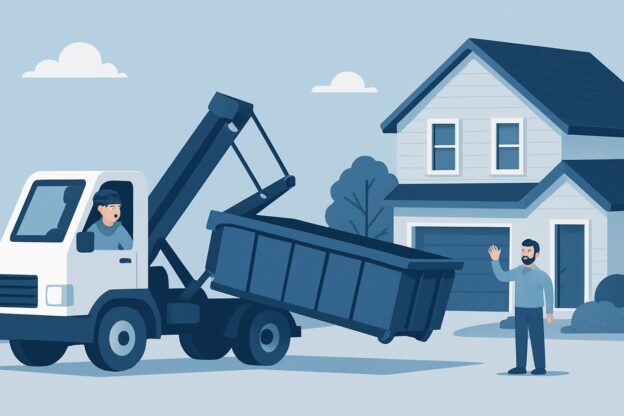
You cannot put hazardous materials like paint, chemicals, asbestos, tires, electronics, appliances with refrigerants, certain batteries, medical waste, or yard waste in most roll-off dumpsters — rental companies refuse these items because they require specialized disposal methods, create safety risks during transport, or violate landfill regulations that could result in steep fines. These restrictions exist for good reason: a single leaking paint can or improperly disposed battery can contaminate an entire load, forcing the hauler to reject it at the landfill and charge you disposal fees that often exceed the original rental cost. What makes these rules frustrating is that they vary by location and rental company, so an item acceptable in one county might be prohibited in another. The types of prohibited materials generally fall into categories based on environmental regulations, disposal facility requirements, and transportation safety laws. Understanding what you cannot put in a dumpster before your rental arrives prevents project delays, surprise fees, and the hassle of finding alternative disposal options mid-cleanup.
Renting a Dumpster for This Project?
For most of these jobs, a roll-off dumpster delivered to your driveway is the simplest, cheapest way to handle the haul. Compare local providers and get a free quote in minutes.
Find Dumpster Rental in Your City →
Hazardous Materials and Chemicals
Hazardous Materials and Chemicals
Hazardous materials and chemicals pose serious risks to sanitation workers, the environment, and waste facilities. Roll-off dumpsters cannot accept substances that are flammable, corrosive, reactive, or toxic—this includes common items like gasoline, paint thinner, pesticides, and cleaning chemicals. Most dumpster rental companies will refuse pickup or charge substantial fees if hazardous materials are discovered in your container.
Flammable and Toxic Substances
Flammable liquids create fire hazards during transport and at disposal facilities. Gas cans with residual fuel, propane tanks, lighter fluid, and oil-based paints all fall into this category. Even small amounts can ignite from static electricity or compression during the compaction process. The same applies to toxic substances like antifreeze, motor oil, transmission fluid, and brake cleaner—these contaminate soil and groundwater if they leak during hauling or at the landfill.
Aerosol cans present a dual problem. They’re both flammable and pressurized, meaning they can explode when crushed. This includes spray paint, WD-40, air fresheners, and cooking sprays. The exception: completely empty aerosol cans with the nozzles removed are sometimes acceptable, but check with your provider first.
Household Hazardous Waste
Your garage and basement likely contain dozens of items that qualify as household hazardous waste. Pesticides, herbicides, and fertilizers contain concentrated chemicals designed to kill organisms—exactly what you don’t want seeping into the water table. Old batteries, whether alkaline or rechargeable, contain heavy metals like mercury, lead, and cadmium. Car batteries are particularly problematic due to their sulfuric acid content.
Cleaning supplies like drain opener, oven cleaner, and toilet bowl cleaner are highly caustic. Pool chemicals such as chlorine tablets and muriatic acid remain reactive even in small quantities. Most municipalities operate collection events or permanent drop-off sites specifically for these materials. Some retailers also accept certain items for recycling—auto parts stores typically take used motor oil and batteries, while hardware stores often accept old paint. Rather than risk contaminating a dumpster, use these free or low-cost alternatives for proper disposal.
Electronics and Appliances
Electronics and Appliances
Most electronics and appliances cannot go in a standard roll-off dumpster because they contain hazardous materials like mercury, lead, and refrigerants that require specialized handling. Items like TVs, computer monitors, refrigerators, air conditioners, and microwaves fall under e-waste regulations that mandate separate disposal channels. Violating these rules can result in fines for both you and the rental company.
E-Waste Disposal Requirements
Federal and state regulations classify most electronics as hazardous waste due to their internal components. Cathode ray tube (CRT) televisions and monitors contain up to eight pounds of lead in the glass. Fluorescent backlights in LCD screens use mercury vapor. These materials leach into groundwater when dumped in landfills, which is why the EPA prohibits their disposal in standard waste streams.
Your local municipality likely operates an e-waste collection program with drop-off sites or scheduled pickup days. Retailers like Best Buy accept electronics for recycling regardless of where you bought them—they’ll take old TVs, computers, printers, and small appliances at no charge. Manufacturers of larger items sometimes run take-back programs when you purchase a replacement. If you’re clearing out an office or dealing with bulk electronics from a renovation, dedicated e-waste recyclers will schedule pickups and provide certificates of destruction for items containing sensitive data. Before renting a dumpster for a cleanout project, separate your electronics first and arrange alternative disposal. The hour you spend doing this prevents disposal fees, potential fines, and the headache of having your dumpster rental flagged for contamination.
Automotive Fluids and Batteries
Automotive Fluids and Batteries
Automotive fluids—motor oil, transmission fluid, antifreeze, brake fluid, and gasoline—cannot go in a dumpster rental because they’re classified as hazardous waste. Car batteries are also prohibited due to their lead-acid content and potential to leak corrosive materials. These items require specialized disposal through auto parts retailers, household hazardous waste programs, or dedicated recycling centers that can handle toxic substances safely.
Most motor oil from a single oil change contains enough contaminants to pollute one million gallons of groundwater. That’s why disposal regulations treat used automotive fluids so seriously. When these liquids enter landfills through regular waste streams, they leach through soil and eventually reach water tables. The same applies to transmission fluid and brake fluid—both petroleum-based products that persist in the environment and harm ecosystems.
Antifreeze presents its own risks. The ethylene glycol in most antifreeze formulations tastes sweet, which makes accidental poisoning common among pets and wildlife. Even small amounts cause kidney failure. Many auto parts stores accept used antifreeze for recycling into new product, a closed-loop system that keeps this chemical out of landfills entirely.
Gasoline and diesel fuel create immediate fire hazards in roll-off dumpsters. The fumes alone can ignite from a discarded cigarette or spontaneous combustion in hot weather. Beyond the explosion risk, petroleum fuels contaminate everything they touch in the container, making that entire load potentially hazardous. If you’re cleaning out a garage or workshop, drain gas tanks completely before disposing of lawn equipment or generators.
Car batteries belong at auto parts retailers or scrap metal yards, not in dumpsters. Lead-acid batteries contain sulfuric acid and lead plates—both regulated as hazardous materials. Most states actually ban battery disposal in regular trash. The good news: batteries have significant scrap value. Many retailers offer a credit toward a new battery when you return the old one, and scrap yards often pay by weight for spent batteries.
Medical Waste and Biohazards
Medical Waste and Biohazards
Medical waste, biohazardous materials, and anything contaminated with bodily fluids cannot go in a standard roll-off dumpster. This includes syringes, used bandages, laboratory specimens, surgical materials, chemotherapy drugs, and items exposed to infectious diseases. These materials require specialized medical waste disposal services that follow strict regulatory protocols to prevent disease transmission and environmental contamination.
Standard dumpster rental services are not licensed or equipped to handle medical waste. The distinction matters because improper disposal can expose waste haulers, landfill workers, and the public to serious health risks. Hepatitis, HIV, and antibiotic-resistant bacteria can survive on improperly discarded medical materials for days or weeks.
Home healthcare supplies present a gray area that catches many people off guard. Unopened, unused medical supplies like gauze, gloves, or bandages are generally safe for regular disposal. Once they’ve contacted blood, wound drainage, or other bodily fluids, they become biohazardous waste requiring special handling. The same applies to adult diapers, incontinence products, and sanitary materials from home care situations.
Sharps—needles, lancets, scalpels, and broken glass from medical use—pose immediate physical danger in addition to contamination risk. Even if you place them in a puncture-resistant container, they don’t belong in a dumpster. Most pharmacies and many municipal waste facilities offer sharps disposal programs at little or no cost. Some home healthcare services provide mail-back sharps containers that meet Department of Transportation regulations for sending biohazardous materials through the postal system.
Medications, both prescription and over-the-counter, also fall outside what rental dumpsters can accept. Pharmaceutical waste can leach into groundwater at landfills, contaminating drinking water supplies. Chemotherapy drugs and antibiotics are particularly problematic—trace amounts can affect wildlife and contribute to drug-resistant bacteria. Police stations, pharmacies, and designated take-back events provide safe disposal options for unwanted medications. The DEA sponsors National Prescription Drug Take-Back Days twice yearly, though many locations accept medications year-round.
More What Can & Can’t Go in a Dumpster
- Can You Put Yard Waste in a Dumpster?
- Can You Put A Microwave in a Dumpster?
- Can You Put Drywall in a Dumpster?
- Can You Put Hazardous Waste in a Dumpster?
- Can You Put Food Waste in a Dumpster?
- Can You Put A Hot Tub in a Dumpster?
- Can You Put Construction Debris in a Dumpster?
- Can You Put Carpet in a Dumpster?
- Can You Put Batteries in a Dumpster?
- Can You Put A Refrigerator in a Dumpster?
- Can You Put A Couch in a Dumpster?
- Can You Put Furniture in a Dumpster?
- Can You Put Concrete in a Dumpster?
- Can You Put A TV in a Dumpster?
- Can You Put Electronics in a Dumpster?
- Can You Put Appliances in a Dumpster?
- Can You Put Tires in a Dumpster?
- Can You Put Paint in a Dumpster?
Ready to get started?
Find a Dumpster Near You