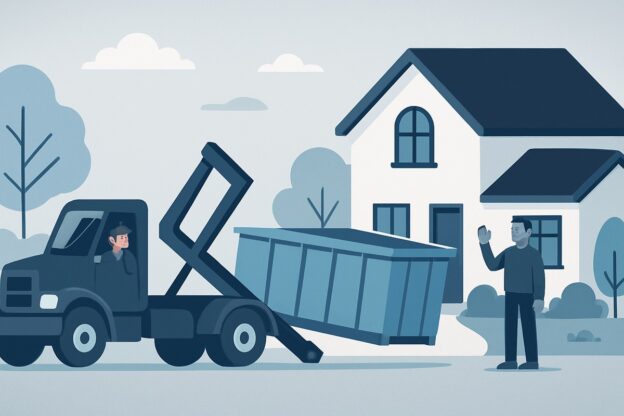
Old decking materials can be disposed of through municipal bulk waste pickup, recycling programs that accept treated or untreated wood, landfill drop-off, or a roll-off dumpster rental for larger projects — the right method depends on your deck’s size, material type, and how quickly you need it gone. Most homeowners underestimate the volume a demolished deck creates; a standard 12×16 deck generates roughly two tons of debris, which affects both disposal costs and logistics. Choosing the wrong disposal route can mean multiple trips in a pickup truck, contamination fees at the landfill, or discovering too late that your materials contain hazardous preservatives banned from standard waste streams. Knowing how to dispose of decking properly saves time and money, especially when you’re distinguishing between pressure-treated lumber, composite materials, and older wood that may require special handling. The process starts with identifying what you’re working with, then matching that material to the most efficient disposal option for your timeline and budget.
Renting a Dumpster for This Project?
For most of these jobs, a roll-off dumpster delivered to your driveway is the simplest, cheapest way to handle the haul. Compare local providers and get a free quote in minutes.
Find Dumpster Rental in Your City →
Preparing Your Deck for Disposal
Preparing Your Deck for Disposal
Proper preparation prevents injury and makes disposal faster. Remove all metal fasteners, separate treated wood from natural materials, and check for hidden hardware in joists and railings. This upfront work determines whether your materials can be recycled, burned, or need landfill disposal—and it keeps you from damaging equipment or injuring yourself during transport.
Removing Nails and Hardware
Pull nails completely rather than hammering them flat. Protruding nail heads tear trash bags, puncture truck beds, and create hazards when loading a dumpster. A cat’s paw pry bar works better than a hammer for stubborn nails driven below the surface. For deck screws, use an impact driver with a fresh bit—stripped screw heads turn a 20-minute job into an afternoon ordeal.
Separate the hardware as you go. Throw ferrous metals (nails, screws, joist hangers) into one bucket and non-ferrous pieces (aluminum flashing, copper wire) into another. Scrap yards pay for clean, sorted metal. A 300-square-foot deck typically yields 15-25 pounds of fasteners worth a few dollars at recycling centers, but more importantly, clean wood stacks tighter and processes more safely.
Sorting Materials by Type
Treated lumber must stay separate from untreated wood. Pressure-treated boards contain preservatives that contaminate burn piles and complicate recycling. Look for the incised pattern and greenish tint on older decks, or check end stamps on newer materials. If you’re unsure about a board’s treatment status, isolate it with the treated pile.
Create distinct stacks: pressure-treated structural pieces, untreated railings and trim, composite decking, and any cedar or redwood. This sorting determines your disposal route. Natural cedar can often go to wood recyclers or biomass facilities. Composites require specific recycling programs (few accept them). Treated lumber typically heads to construction landfills. When you rent a roll-off dumpster for mixed demo debris, this pre-sorting still helps—you’ll load more efficiently and stay under weight limits when heavy treated lumber sits separate from lighter rail sections.
Disposal Options for Old Deck Boards
Disposal Options for Old Deck Boards
Most municipalities accept deck boards through their solid waste programs, though the specifics vary widely. Pressure-treated lumber often requires special handling due to chemical preservatives, while untreated wood may qualify for yard waste collection or recycling programs. Contact your local waste management authority before hauling materials — some facilities charge by weight or volume, while others include deck disposal in regular service.
Municipal Waste and Recycling Centers
Your city or county transfer station handles most deck materials, but policies differ significantly between locations. Treated lumber typically goes to the construction and demolition (C&D) waste section, kept separate from household trash. Some facilities accept it free for residents, while others charge a tipping fee — generally ranging from $30 to $80 per ton in 2026. Bring your driver’s license and proof of residency, as many centers verify you live within their service area before accepting materials at resident rates.
The drop-off process matters more than you’d expect. Arrive with materials sorted by type if possible — nails and screws still embedded are usually fine, but railings with mixed materials (wood posts, metal balusters, vinyl caps) slow things down. Staff direct you to the appropriate bay or dumpster, and you unload yourself. For a standard 12×16 deck, expect two or three truckloads if using a half-ton pickup. Weekend morning hours fill up fast at most centers, so mid-week visits mean shorter wait times and faster unloading.
When to Rent a Roll-Off Dumpster
When to Rent a Roll-Off Dumpster
A roll-off dumpster makes sense when you’re removing more than 100 square feet of decking or dealing with pressure-treated lumber that most haulers won’t accept. The container sits in your driveway for days or weeks, letting you work at your own pace without multiple dump runs. For whole-deck teardowns or projects mixing old lumber with concrete footings and railings, renting beats hauling.
Signs Your Project Needs a Dedicated Container
Deck removal generates more waste than most people expect. A standard 12×16 deck produces roughly 400-600 square feet of decking boards alone, plus joists, beams, posts, and fasteners. If you’re also pulling railings, stairs, or lattice skirting, you’re looking at a pickup truck bed filled four or five times over.
The math shifts further when your old deck includes treated lumber from before 2004. That wood contains chromated copper arsenate, which many municipal dumps restrict or ban outright. A dumpster rental handles the disposal through proper channels, saving you from showing up at the landfill only to get turned away. Most people discover this restriction after loading their truck.
Project Size and Timeline Considerations
A 10-yard dumpster typically holds material from a 200-square-foot deck—think a small backyard platform. Jump to 300-400 square feet, and you’ll want a 20-yard container. For multi-level decks or wraparound porches exceeding 500 square feet, a 30-yard dumpster prevents overflow and extra fees.
Timeline matters as much as volume. Weekend warriors tackling removal over three or four Saturdays benefit from keeping a roll-off onsite rather than coordinating pickup schedules around each work session. You pull boards, toss them in the container, and get back to work. Rental periods generally run one to two weeks, with extensions available when demolition hits unexpected complications like rotted framing or stubborn ledger bolts.
Recycling and Repurposing Deck Materials
Most deck materials can find a second life beyond the landfill. Untreated wood works for mulch, compost, or new projects. Treated lumber goes to specialized recycling facilities that grind it for industrial fuel. Metal components like fasteners and flashing head to scrap yards, while composite decking returns to manufacturers who reprocess it into new boards. The key is separating materials by type and checking what your local recyclers accept.
Composting and Mulching Untreated Wood
Untreated wood decking breaks down naturally and makes excellent mulch for landscaping beds or pathways. Run boards through a chipper or arrange for a tree service to chip them on-site. The resulting mulch costs nothing and handles like any commercial product. Spread it three inches deep around shrubs and trees, keeping it a few inches away from plant stems to prevent rot.
Smaller pieces work in compost bins if you break them down to six inches or less. Wood adds carbon to balance nitrogen-rich kitchen scraps and grass clippings. Mix in wood chips at a 3:1 ratio with green materials. Full decomposition takes one to two years depending on chip size and how often you turn the pile.
Treated Lumber Disposal Options
Pressure-treated wood requires special handling because of the chemicals used to prevent rot. Most municipal recycling programs won’t take it, but industrial facilities process treated lumber into fuel for cement kilns and power plants. The high-temperature combustion destroys the preservatives. Search for “treated wood recycling” plus your zip code to find facilities — they typically charge by weight or volume.
Some areas allow treated wood in construction and demolition landfills with specific disposal protocols. Never burn treated lumber in your yard or fireplace. The smoke releases toxic compounds including arsenic in older boards treated before 2004. If recycling isn’t available locally, a roll-off dumpster designated for construction debris provides a straightforward disposal path for treated materials mixed with other demolition waste.
Reusing Deck Components in New Projects
Sound deck boards become workbench tops, raised garden beds, or rustic shelving. Cut out damaged sections and use the clean portions for smaller builds. Joists and beams work as structural supports for sheds, compost bins, or outdoor furniture frames. Even weathered wood has value for accent walls or decorative projects where the aged patina adds character.
Metal brackets, bolts, and joist hangers go straight into new construction if they’re not corroded. Clean them with a wire brush and check for structural integrity. Composite decking scraps serve as shims, spacers, or blocking in future projects. One contractor I know stockpiles good composite cutoffs and uses them for non-structural outdoor applications where weather resistance matters but appearance doesn’t.
Ready to get started?
Find a Dumpster Near You