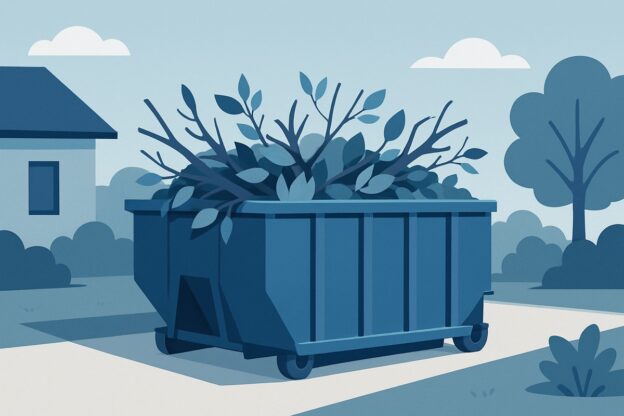
Yes, you can put yard waste in a dumpster, but whether you should depends on your rental company’s policies, local regulations, and how you plan to dispose of the material — some haulers accept mixed loads while others require yard debris to go in dedicated green waste containers, and certain jurisdictions ban organic material from landfills entirely. This distinction matters because loading the wrong type of waste can result in rejected pickup, additional fees, or disposal charges that double your project cost. Homeowners tackling landscaping overhauls, contractors clearing job sites, and property managers handling seasonal cleanups all face the same question: can you put yard waste in a dumpster without creating problems downstream? The answer hinges on understanding what qualifies as acceptable yard debris, how different rental companies handle organic materials, when a roll-off dumpster makes sense versus curbside pickup or composting, and what regulations apply in your area. Getting this right from the start saves time, money, and the frustration of dealing with a dumpster your hauler refuses to empty.
Renting a Dumpster for This Project?
For most of these jobs, a roll-off dumpster delivered to your driveway is the simplest, cheapest way to handle the haul. Compare local providers and get a free quote in minutes.
Find Dumpster Rental in Your City →
What Yard Waste Can Go in a Dumpster
What Yard Waste Can Go in a Dumpster
Most yard waste goes into a dumpster without issue—grass clippings, leaves, branches, shrubs, and soil all qualify as accepted materials. The key is understanding your rental provider’s diameter limits for branches and whether they accept heavy materials like dirt and sod, which some companies classify separately due to weight restrictions. Always confirm specific guidelines before loading, since a few organic materials face universal restrictions.
Accepted Green Waste and Debris
Standard dumpster rentals handle the bulk of residential landscaping debris. Grass clippings from mowing, bags of leaves, hedge trimmings, and pulled weeds represent the most common loads. Branch diameter matters more than you’d think—most providers accept limbs up to 6 inches in diameter, though some set the threshold at 4 inches. Anything thicker typically requires separate processing at a wood recycling facility.
Shrub removals, small tree stumps (usually under 12 inches in diameter), brush piles, and plant material from garden beds all qualify. Dirt and sod fall into a gray area. Many companies accept limited amounts mixed with other yard waste, but a dumpster filled primarily with soil often incurs surcharges because of the extreme weight. A 10-yard container packed with dirt can exceed weight limits designed for lighter organic material.
Common Restrictions and Prohibited Items
Treated lumber from old landscaping structures can’t go in with green waste—pressure-treated wood contains chemicals that contaminate organic disposal streams. This includes railroad ties used as garden borders, treated fence posts, and composite decking materials. The same restriction applies to painted or stained wood from arbors or trellises.
Stumps larger than 12 inches in diameter face rejection at most facilities, as do logs cut for firewood. These require specialized grinding equipment. Rocks, concrete, and landscaping pavers need separate disposal even though they come from your yard. Food waste, even from a compost pile, stays out of debris dumpsters—it attracts pests and belongs in municipal composting programs. Some areas prohibit diseased plant material, particularly invasive species like Japanese knotweed, which must go to designated containment facilities to prevent spread.
When Yard Waste Isn’t Allowed in Dumpsters
When Yard Waste Isn’t Allowed in Dumpsters
Not all dumpster rentals accept yard waste. Many municipalities ban organic materials from landfills to reduce methane emissions and encourage composting. Even when landfills technically accept yard debris, rental companies may restrict it because of weight limits, disposal fees, or local ordinances that require separate processing. Before loading grass clippings, branches, or leaves into a roll-off dumpster, confirm both your municipality’s regulations and your rental provider’s specific policies.
Local Regulations and Landfill Policies
Cities and counties impose varying restrictions on yard waste disposal based on their waste management infrastructure. Some areas mandate that all organic yard materials go to designated composting facilities rather than landfills. Others allow limited amounts but prohibit specific items like stumps over a certain diameter or whole trees. You’ll find these rules in municipal codes or on your city’s solid waste department website.
What makes this complicated is that landfill policies often differ from municipal rules. A landfill might accept grass clippings but charge substantially higher tipping fees for them because of processing requirements. Some facilities categorize yard waste as “clean fill” and route it to separate processing areas, while others treat it as contamination if mixed with construction debris. Your dumpster rental company follows whichever set of restrictions is strictest—municipal law, landfill policy, or their own operational limits. That’s why a provider might tell you “no yard waste” even if your neighbor’s company allows it. They’re using different disposal facilities with different rules.
Weight Restrictions and Additional Fees
Yard waste becomes surprisingly heavy once compressed in a dumpster, especially when wet. A 20-yard container filled with damp soil and sod can easily exceed weight limits that would accommodate the same volume of household junk. Most rental agreements cap total weight between 2 and 4 tons, and organic materials push past that threshold quickly.
Exceeding weight limits triggers overage charges that typically range from $50 to $100 per ton in 2026. If you load a dumpster with dense materials like dirt, logs, or root balls, you might face several hundred dollars in unexpected fees. Some companies prevent this by prohibiting yard waste entirely. Others offer separate pricing structures for “dirt and concrete” or “green waste only” containers, with different weight allowances and disposal costs built into the base rate.
Choosing the Right Dumpster for Yard Debris
Choosing the Right Dumpster for Yard Debris
Most yard cleanup projects need a 10-yard or 20-yard roll-off dumpster, depending on volume and debris type. Light materials like leaves and grass clippings compress well in smaller containers, while bulky items such as branches and shrubs require more space. The right size prevents overfilling fees and keeps your project moving efficiently without mid-job pickups.
Size Considerations for Different Projects
A 10-yard dumpster handles routine maintenance like seasonal leaf removal, small hedge trimming, or clearing a single flower bed. This size works for most weekend projects that generate three to five pickup truck loads of material. You’ll have room for roughly 1,500 pounds of yard debris—enough for pruning a few trees or cleaning out overgrown landscaping along a fence line.
Step up to a 20-yard dumpster when you’re tackling larger jobs like removing an old garden, clearing brush from a neglected corner of your property, or taking down multiple small trees. This size accommodates debris from projects that would fill eight to ten pickup truck loads. Storm cleanup after a severe weather event typically falls into this category, especially when dealing with downed limbs and scattered branches across a yard.
Weight Limits and Load Distribution
Weight becomes critical with dense organic material. A dumpster filled to the brim with wet soil or thick logs can exceed weight limits even when it looks like you have space to spare. Rental agreements typically allow 2,000 to 4,000 pounds for yard debris, with overage fees kicking in beyond that threshold.
Distribute weight evenly across the container floor rather than piling everything in one corner. Break down branches into manageable pieces—aim for lengths under four feet when possible. This approach maximizes space and prevents shifting during transport. If you’re disposing of both light materials like leaves and heavy items like root balls, layer them. Put denser debris on the bottom, then fill remaining space with lighter materials that compress easily.
Rental Duration for Yard Projects
Most dumpster rental companies offer seven-day standard periods, which gives you a comfortable window for projects you can complete over a long weekend. You can typically extend the rental by the day or week if weather delays your work or the project grows larger than anticipated.
Plan for a longer rental if you’re clearing an overgrown property section by section or waiting for brush to dry before disposal. Green wood and fresh-cut vegetation weigh significantly more than dried material, so some property owners prefer cutting debris and letting it sit in the dumpster for a few days before adding more. This strategy works well for maximizing capacity within weight limits, though it requires coordination with your rental provider about duration.
Alternatives to Dumpster Rental for Yard Waste
If a roll-off dumpster isn’t the right fit for your project, several practical alternatives exist. Municipal yard waste collection programs handle regular lawn maintenance debris at minimal cost, while drop-off centers accept larger quantities during specific hours. For immediate removal, curbside pickup services and composting transform organic material into usable soil amendments right on your property.
Municipal Yard Waste Programs
Most cities offer seasonal curbside collection for grass clippings, leaves, and small branches. You’ll bag or bundle materials according to local specifications—typically paper yard waste bags or bundles tied with twine, never plastic bags. Collection runs weekly or biweekly during growing season, usually April through November in northern climates.
The catch: strict material limits and preparation requirements. Branches often max out at four feet long and two inches in diameter. One large tree removal generates far more debris than these programs handle in a single pickup. You’ll also wait days or weeks between collections, meaning piles sit in your yard if you’re clearing multiple areas at once.
Yard Waste Drop-Off Centers
County-operated drop-off sites let you haul yard waste directly to a central facility. These centers accept larger quantities than curbside programs—think truckloads rather than bags—and often take materials year-round. Some facilities process the debris into free mulch or compost you can pick up later.
Expect to show proof of residency and possibly pay a small fee per load, though many municipalities include several free visits annually for residents. Hours are limited, usually weekends only, and you’ll need a truck or trailer to transport materials yourself. Lines get long on Saturday mornings in spring and fall when everyone’s doing yard work.
Composting and Mulching On-Site
Converting grass clippings and leaves into compost eliminates disposal entirely while creating free soil amendment. A basic three-bin system processes yard waste in three to six months with regular turning. Mulching mowers chop grass fine enough to decompose on the lawn, returning nitrogen to the soil without bagging.
This works for routine maintenance but not major cleanups. Tree limbs, stumps, and diseased plant material don’t belong in home compost piles. You’ll still need another solution when you’re removing an overgrown hedge or clearing a wooded lot for construction. The process also requires space—compost bins occupy at least 9-12 square feet of your yard.
Hiring Junk Removal or Landscaping Services
Full-service haulers load and remove yard waste the same day you call. They’ll handle everything from bagged leaves to entire tree removals, charging by volume or weight. This eliminates all physical labor on your end—no hauling branches, no tying bundles, no driving to drop-off centers.
The convenience costs significantly more than self-service options. A single truckload runs $150-400 depending on your market and material type, while a week-long dumpster rental typically ranges $300-600 for comparable capacity. You’re also working around their schedule rather than filling and emptying a container at your own pace across several days or weeks.
Ready to get started?
Find a Dumpster Near You