Dumpster rental in Knoxville, TN typically costs between $300 and $600 for a weeklong rental, with pricing determined by container size (10 to 40 yards), your specific location within Knox County, and what materials you’re disposing of—because hauling construction debris to a lined landfill costs more than taking household junk to a transfer station. Whether you’re gutting a South Knoxville bungalow, clearing out a foreclosed property in Fountain City, or managing debris from a West Hills deck replacement, choosing the wrong dumpster size or misunderstanding weight limits can easily double your costs through overage fees or require a second rental. The Knoxville market has both national chains and local haulers, each with different service areas, pricing structures, and policies about what you can’t throw away. What follows breaks down actual costs you’ll encounter, explains how container sizing works in practice, and shows you which details in a rental agreement matter most when you’re standing in your driveway with a demolition project ahead of you.
Get Free Dumpster Rental Quotes in Knoxville Tn
Tell us about your project and local Knoxville Tn providers will follow up with pricing and availability.
How Dumpster Rental Works in Knoxville
How Dumpster Rental Works in Knoxville
Renting a dumpster in Knoxville follows a straightforward process: you select a container size, schedule delivery for a specific date, use it for an agreed rental period (typically 7-14 days), and arrange pickup when finished. The rental company handles delivery, pickup, and disposal at authorized facilities, while you’re responsible for loading within weight limits and following local placement rules.
Scheduling and Delivery Process
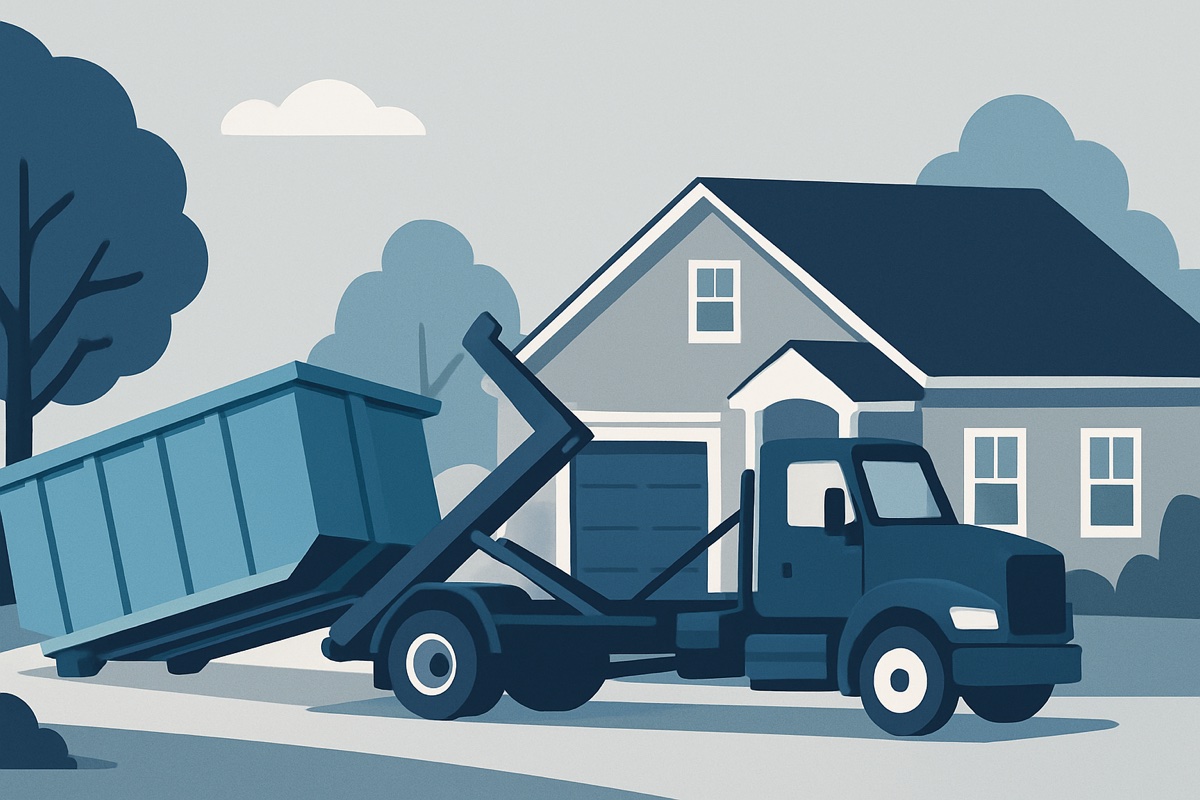
Most Knoxville rental companies need 24-48 hours advance notice for delivery, though same-day service occasionally works during slower periods. When you call to schedule, expect questions about your project type, dumpster size preference, delivery address, and preferred placement location. The company needs to verify they can access your site—standard roll-off dumpsters require at least 10 feet of vertical clearance for the truck’s hydraulic arm and roughly 14 feet of width for safe maneuvering.
Delivery typically happens within a four-hour window on your scheduled date. The driver will place the container where you specify, provided the spot works mechanically and doesn’t block fire hydrants, sidewalks, or mailboxes. Many Knoxville neighborhoods have narrow driveways or mature trees that limit placement options, so walk your property beforehand and identify a clear path from the street to your preferred spot. If you’re placing the dumpster on asphalt or a finished driveway, ask about protective boards—some companies include them automatically, others charge extra.
Pickup and Disposal Requirements
Schedule your pickup at least 24 hours before you need the dumpster removed. Most companies include a set rental period in the base price (commonly one week for residential projects), with daily fees applying if you keep it longer. When the container’s ready for pickup, make sure nothing extends above the top rim—overfilled dumpsters create safety hazards during transport, and drivers will refuse to haul them until you remove excess material.
Weight limits matter more than most renters expect. A 20-yard dumpster for construction debris might include 2-3 tons in the rental price, with overage fees ranging from $50-$75 per additional ton in the Knoxville area. Heavy materials like concrete, dirt, or roofing shingles reach weight limits faster than their volume suggests. If you’re demolishing a deck or tearing off shingles, ask the rental company upfront about projected weight—they’ve seen hundreds of similar projects and can estimate fairly accurately. Knox County requires proper disposal at permitted facilities, so rental companies will ask what you’re throwing away. Hazardous materials (paint, chemicals, asbestos, tires) aren’t accepted in standard roll-off dumpsters and require separate disposal arrangements.
Choosing the Right Dumpster Size
Choosing the Right Dumpster Size
Getting the size right means understanding what you’re throwing away and how much space it actually takes up. A 10-yard dumpster handles small bathroom remodels and garage cleanouts. A 20-yard works for moderate renovation debris and estate cleanouts. A 30-yard fits whole-home cleanouts and large remodeling jobs. A 40-yard handles major construction projects and commercial demolition work.
Residential Projects and Cleanouts
Most homeowners underestimate volume when they picture their junk piled up. That garage full of boxes, old furniture, and lawn equipment? It compresses less than you think once loaded into a dumpster. A 10-yard dumpster—roughly the size of a large pickup bed—handles a single-room cleanout or minor bathroom renovation. You’re looking at about 3-4 pickup truck loads of material.
A 20-yard roll-off dumpster becomes the practical choice for whole-garage cleanouts, flooring removal from multiple rooms, or deck demolition. This size accommodates roughly 6-8 pickup loads. For estate cleanouts where you’re emptying most of a house, or if you’re replacing a roof on a typical Knoxville-area home, the 30-yard dumpster gives you the capacity without constant worry about overloading. The footprint requires a standard driveway width, but the height—about six feet—means you can toss material in without climbing.
Construction and Renovation Jobs
Construction debris takes up space differently than household items. Drywall breaks into large, awkward pieces. Dimensional lumber doesn’t stack efficiently. A kitchen gut requires a 20-yard minimum because cabinets, countertops, and appliances create more volume than their installed footprint suggests. Adding in old drywall and flooring pushes you toward a 30-yard.
Framing projects and additions generate serious volume fast. Two-by-fours, plywood scraps, and cut-offs pile up throughout the workday. A 30-yard dumpster handles most residential additions under 1,000 square feet. Full-home renovations or commercial buildouts need a 40-yard unit. Pay attention to weight limits here—construction debris, especially concrete, asphalt, or dirt-heavy loads, hits tonnage limits before filling the container. A typical weight limit runs 2-4 tons depending on the rental company, with overage fees starting around $50-75 per additional ton in the Knoxville market.
Pricing and Weight Limits Explained
Dumpster rental costs in Knoxville typically range from $300 to $600 for a week-long rental, with the final price depending on container size, debris type, and total weight. Most residential rentals include 1-2 tons of disposal weight in the base price, with overage fees of $40-$75 per additional ton. Understanding these pricing structures before you rent prevents surprise charges when the dumpster gets picked up.
How Container Size Affects Your Total Cost
A 10-yard dumpster generally costs less upfront than a 20-yard or 30-yard container, but renting too small often backfires. If you underestimate and need a second haul or an exchange, you’ll pay another delivery fee—usually $75-$150—plus a second disposal charge. The math frequently favors renting one size larger from the start.
Size also determines your included weight allowance. A 10-yard dumpster might come with a one-ton limit, while a 20-yard typically includes two tons. If you’re clearing out a basement full of old furniture and boxes, you’ll likely stay under the weight cap. Load that same 20-yard container with concrete rubble or dirt, and you could hit four tons before the bin is half full.
Weight Limits and Overage Charges
Every roll-off dumpster has a maximum legal road weight, separate from your contracted weight limit. In Knox County, loaded dumpsters can’t exceed 10 tons on local roads without special permits. Your rental company sets a lower limit—usually 2-4 tons depending on container size—to stay within legal boundaries and protect their trucks.
Overage fees kick in when your debris exceeds the included weight. These charges vary by material type. General household junk typically costs $50-$60 per extra ton. Construction debris runs slightly higher. Heavy materials like asphalt, brick, or soil can reach $75 per ton over the limit. Some companies weigh the container at the landfill and bill you afterward; others estimate based on material type and container fill level. Ask whether your rental includes a weigh ticket so you know exactly what you’re paying for rather than accepting an estimate.
What Drives Price Differences Between Rentals
Location within the Knoxville area matters more than most people expect. If you’re in downtown Knoxville proper, you’ll generally pay less than someone in Farragut or Karns because the rental company’s depot sits closer. A site 20 miles from their yard adds fuel costs and driver time that gets passed to you.
Rental duration also shifts the price. The standard week-long period fits most projects, but keeping a dumpster for two or three weeks adds $10-$20 per extra day. Conversely, same-day or next-day delivery sometimes carries a rush fee of $50-$100. Material type creates the biggest price swings. A dumpster for yard waste or clean wood costs less to dispose of than one full of mixed construction debris because the landfill charges your rental company different tipping fees. Prohibiting items like mattresses, electronics, or appliances in your contract isn’t arbitrary—those require special handling and separate disposal fees that can double your cost if they’re discovered at the facility.
Knox County Permit and Placement Rules
Knox County doesn’t require permits for dumpsters placed on private property, but you’ll need a Right-of-Way permit if the container sits on a public street or sidewalk. The permit costs $25 and takes 2-3 business days to process through the City of Knoxville Engineering Department. Placement on county roads follows similar rules but goes through Knox County Engineering instead.
Private Property Placement
Most residential projects keep roll-off dumpsters on driveways or yards, which bypasses the permit process entirely. You’re free to place a container anywhere on your property without county approval, though your homeowners association might have restrictions worth checking first.
The main concern with private placement is protecting your surfaces. A 20-yard container loaded with construction debris can weigh 10,000 pounds or more. Placing plywood sheets under the container’s footprint prevents cracking on asphalt driveways and keeps metal feet from gouging concrete. If you’re setting the dumpster on grass, expect some damage — even plywood won’t fully prevent ruts from that much weight concentrated on four corners.
Public Right-of-Way Requirements
Streets and sidewalks fall under public right-of-way, which means permit requirements kick in. The application requires your project address, planned placement dates, and a simple site diagram showing where the container will sit. Most rental companies can walk you through this process, though filing remains your responsibility as the permit holder.
Your dumpster needs reflective markings or safety cones if it extends into a travel lane, and you can’t block fire hydrants, bus stops, or accessibility ramps. The permit covers up to 30 days — longer projects need renewal. Violating placement rules brings fines starting at $50 per day, and the city can order immediate removal if the container creates a safety hazard.
Setback and Clearance Standards
Overhead clearance matters more than most people realize when planning dumpster placement. Delivery trucks need 23 feet of vertical clearance to lift and position containers using hydraulic arms. Tree branches, power lines, and building overhangs all create problems during drop-off and pickup.
Leave at least 10 feet of horizontal clearance in front of where the dumpster will sit — the truck needs room to maneuver while tilting the container off its bed. Side clearance isn’t as critical, but tight spots between buildings or fences can make pickup difficult. Measure twice before confirming your placement location with the rental company. Moving a loaded container mid-project usually means paying for an extra trip.
Dumpster Rental in Nearby Tennessee Cities
Ready to get started?