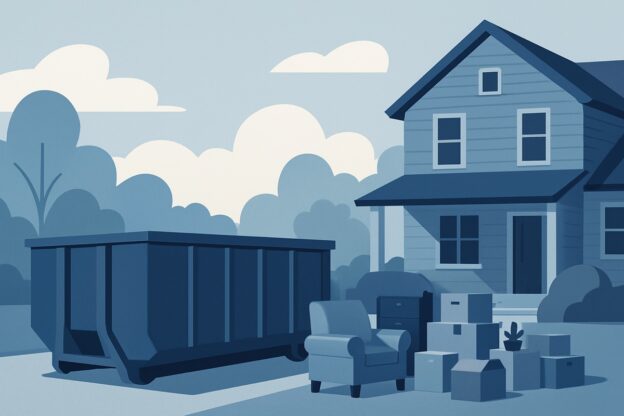
An estate cleanout dumpster is a large roll-off container, typically 15 to 30 cubic yards, that you rent to handle the massive volume of belongings, furniture, and debris generated when emptying a home after a death, downsizing, or preparing a property for sale. Most families underestimate the sheer amount of material involved—a lifetime’s accumulation doesn’t fit in your weekly trash pickup, and making dozens of trips to the dump costs more in time and vehicle wear than the rental itself. The difference between a smooth, week-long cleanout and a months-long ordeal often comes down to having the right size dumpster placed in the right spot with a clear plan for what actually belongs inside it. Choosing the wrong size means paying for a second delivery or scrambling to find alternative disposal when you’re already exhausted and on a deadline. This guide walks through how to size your estate cleanout dumpster correctly, what items require special handling, and how to work with both the rental company and local regulations to avoid costly surprises.
Renting a Dumpster for This Project?
Tell us about your project and local providers will follow up with pricing and availability.
Planning Your Estate Cleanout
Estate cleanout planning starts with a systematic approach to sorting items and building a workable schedule. Most people underestimate both the emotional weight of sorting personal belongings and the physical volume of what needs removal. A clear plan for what stays, what goes, and how long each phase takes prevents the project from stalling halfway through.
Sorting Belongings and Keepsakes
Create three physical zones before you start: keep, sell/donate, and discard. The mistake most families make is trying to decide the fate of every single item as they encounter it. This turns a one-week project into a month-long ordeal. Instead, move quickly through rooms and place items in their zones. You can refine decisions later.
For the discard zone, separate true trash from items that might sell at an estate sale. Furniture in decent condition, working appliances, and collectibles can generate funds that offset your dumpster rental and labor costs. Local charities will often pick up furniture, books, and clothing—schedule these pickups before your dumpster arrives so you’re not paying to haul away items that could have left for free. What remains after donations and sales typically fills a 20 yard dumpster for an average three-bedroom home, though properties with basements, attics, or extensive garages often need a 30 yard dumpster.
Setting a Realistic Timeline
Block out at least one full weekend for initial sorting in a typical single-family home. Each additional floor or storage area adds another day. If you’re working around a job, expect the process to stretch across two to three weeks of evenings and weekends. Trying to complete everything in a single marathon day leads to hasty decisions you’ll regret and physical exhaustion that slows progress.
Schedule your roll-off dumpster to arrive after you’ve completed sorting and any estate sale. Having it sit in your driveway during the decision-making phase wastes rental days and creates pressure to fill it quickly rather than thoughtfully. Most rental periods run seven to ten days—enough time to load out after you know exactly what’s leaving. If the property needs to be cleared by a specific date for a sale or transfer, work backward from that deadline and add a one-week buffer for unexpected complications.
What Size Dumpster for an Estate Cleanout?
Most estate cleanouts require a 20 yard dumpster, which handles furniture, clothing, kitchenware, and personal items from a typical three-bedroom home. Larger properties or homes with accumulated belongings across multiple rooms need a 30 yard dumpster. The right size depends on how much you’re keeping versus discarding and whether you’ve already reduced volume through an estate sale or donations.
Small to Mid-Size Estates
A 10 or 15 yard dumpster works for apartments, condos, or small homes where family members have already removed valuables and sellable items. You’re dealing with leftover furniture, linens, kitchen items, and personal effects that didn’t make the cut. This size handles roughly 3-5 pickup truck loads of material.
Most single-family homes with three bedrooms need a 20 yard dumpster. This accommodates a full household worth of furniture—couches, beds, dressers, tables—plus boxes of clothing, kitchen goods, books, and miscellaneous items from closets and storage areas. If you’re clearing out a basement or garage in addition to living spaces, the 20 yard gives you enough capacity without paying for unused space.
Large Estates and Hoarding Situations
Properties over 3,000 square feet or homes where someone lived for decades without downsizing typically need a 30 yard dumpster. You’re not just clearing rooms—you’re emptying attics filled with holiday decorations and old luggage, basements packed with tools and furniture, and garages storing everything from lawn equipment to paint cans. The extra capacity prevents the frustration of running out of space halfway through.
Hoarding situations require a different calculation. A single room packed floor-to-ceiling can fill a 20 yard dumpster on its own. For moderate hoarding across multiple rooms, expect to need a 30 yard or multiple dumpsters. Severe cases often require 40 yard dumpsters or sequential rentals. The compacted nature of hoarded items—newspapers, boxes, bags stuffed into every available space—creates more volume than a typical estate cleanout. Plan on scheduling extra time too; sorting through densely packed spaces takes longer than clearing organized rooms.
Sorting and Removing Debris Efficiently
Sort items into four categories before anything hits the dumpster: trash, donations, recycling, and keepsakes. Work room by room with boxes or tarps labeled for each category. This system prevents valuable items from accidentally getting tossed and reduces landfill waste. Most people fill a 20 yard dumpster about 30% less when they separate donations and recyclables first.
What Can Go in the Dumpster
Most household debris goes in without issue: furniture, carpeting, clothing, books, and general household items. Mattresses and box springs are fine in most areas, though some haulers charge an extra $25-50 per piece. You can toss drywall, wood trim, old cabinetry, and small appliances.
Electronics need special attention. Newer rental agreements often prohibit TVs, monitors, and computer equipment because of disposal regulations. Many haulers will take them for a surcharge, typically $15-30 per screen. Paints, pesticides, propane tanks, and automotive fluids are universally banned. Take these to your county’s hazardous waste facility — most accept them free for residents. Tires usually need separate disposal unless your rental company specifically includes them.
Donate and Recycle First
Pull out anything usable before loading the dumpster. Estate sales work well when there’s furniture, collectibles, or vintage items worth selling. Even a modest sale can recover $500-2,000, enough to cover the dumpster rental and then some. For items that won’t sell but remain functional, local charities will often schedule pickup for furniture, working appliances, and boxed household goods.
Recycling centers take materials dumpsters won’t: scrap metal, electronics, cardboard, and clean wood. Many counties operate drop-off centers at no charge. Scrap yards actually pay for metal items like bed frames, filing cabinets, and old tools — usually $0.05-0.15 per pound. One estate cleanout might yield 300-800 pounds of scrap metal from bedframes, shelving units, and small appliances. That’s $20-120 back in your pocket for a 30-minute detour.
Dumpster Rental for Estate Cleanouts
Renting a dumpster for an estate cleanout requires coordinating delivery access, securing any necessary permits, and timing the rental period to match your sorting and disposal schedule. Most residential driveways can accommodate a roll-off dumpster, but you’ll need to confirm placement location with your rental company and check local permit requirements before the container arrives.
Placement and Permits
Choose a placement spot that balances convenience with property protection. Driveways work well because they put the dumpster close to the house while keeping it off grass or landscaping that could be damaged by the container’s weight. A 20 yard dumpster typically measures 22 feet long and 8 feet wide, so you’ll need a clear path for the delivery truck plus space for the container itself.
Check with your city or county about permit requirements before scheduling delivery. Many municipalities require permits for dumpsters placed on streets or public property, while placement on private property usually doesn’t need approval. Permit costs range from $10 to $100 depending on location, and processing can take several business days. Some rental companies handle the permit application for you, but confirm this upfront rather than assuming it’s included.
Scheduling Delivery and Pickup
Plan your delivery date after you’ve held any estate sale but before you start heavy-duty sorting. Having the dumpster on-site from day one of cleanout work prevents the frustration of accumulating piles of items you can’t dispose of yet. Most rental periods run seven to ten days, which gives you time to work through rooms methodically and make decisions about what to donate versus discard.
Request pickup once the container reaches about 90% capacity or when you’ve finished the cleanout, whichever comes first. Overfilling a dumpster creates safety hazards and may result in additional fees or the driver refusing to haul it away. If you’re working through a large estate and realize you need more time, call your rental company before the scheduled pickup date. Most providers will extend your rental for a daily fee, typically $5 to $15 per day. A 30 yard dumpster gives you more capacity upfront if you’re dealing with a house full of furniture and belongings, potentially eliminating the need for a rental extension.
Ready to get started?
Find a Dumpster Near You