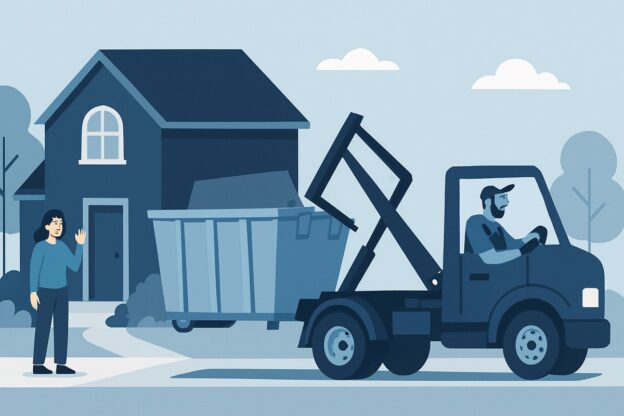
Most municipalities require you to dispose of a water heater through a licensed plumber who handles removal, a specialized recycling facility that accepts appliances, or a scheduled bulk trash pickup—though availability and rules vary widely by location, and improper disposal can result in fines or refused service. The decision matters because water heaters contain materials that can’t go in standard trash bins, and choosing the wrong disposal method can leave you scrambling to move a 150-pound steel tank back out of your driveway on collection day. Whether you’re replacing a failing unit or upgrading to a more efficient model, knowing how to dispose of a water heater correctly saves you time, potential penalties, and the headache of a rejected pickup. This guide covers practical disposal routes based on your situation—including when a dumpster rental makes sense for larger renovation projects—plus steps to safely drain and disconnect the unit before it leaves your property. Disposal isn’t complicated once you understand what your city allows and what scrap yards or retailers will actually take.
Renting a Dumpster for This Project?
For most of these jobs, a roll-off dumpster delivered to your driveway is the simplest, cheapest way to handle the haul. Compare local providers and get a free quote in minutes.
Find Dumpster Rental in Your City →
Preparing Your Water Heater for Removal
Before you can haul a water heater to the curb or load it into a roll-off dumpster, you need to drain the tank and disconnect all utility lines. A full 40-gallon tank weighs over 300 pounds — draining it first makes the unit manageable for one or two people to move safely. Disconnecting gas or electric properly prevents leaks, sparks, and potential code violations that could complicate disposal.
Draining the Tank Completely
Turn off the power supply at the circuit breaker for electric units or set the gas valve to “off” for gas models. Let the water cool for at least two hours — scalding water straight from an active heater can cause serious burns. Once cool, shut off the cold water inlet valve at the top of the tank.
Attach a garden hose to the drain valve near the bottom of the unit. Run the hose to a floor drain, sump pump basin, or outside where 40-50 gallons of water won’t cause problems. Open the drain valve and the pressure relief valve at the top to let air in — without that air inlet, the tank drains slowly or not at all. Expect the process to take 20-30 minutes. If sediment clogs the valve partway through, briefly open and close the cold water inlet to flush it clear.
Disconnecting Gas or Electric Lines
For electric water heaters, confirm the breaker is off, then remove the access panel and disconnect the wires from the heating elements. Use a voltage tester to verify no current before touching anything — even a switched-off breaker can fail. Cap the wire ends with wire nuts so they don’t contact metal while you’re moving the unit.
Gas disconnections require more caution. Turn off the gas supply valve on the pipe leading to the heater — it typically sits within two feet of the unit. Use two wrenches to loosen the union fitting: one to hold the pipe steady, one to turn the nut. If you smell gas at any point, stop immediately and call your utility company. Most municipalities allow homeowners to disconnect their own water heaters, but if you’re uncertain about working with gas lines, hire a licensed plumber for this step. The $75-150 service call is cheaper than repairing gas leak damage.
Disposal Options for Old Water Heaters
Most scrap metal recycling centers accept old water heaters and will pay you for the metal content, typically between $7 and $15 for a standard 40-50 gallon tank. Steel tanks are particularly valuable because they’re made from recyclable materials, and the recycling process is straightforward once you drain the unit and remove any non-metal components. This option converts an old appliance into cash while keeping materials out of landfills.
Scrap Metal Recycling Centers
Call ahead before loading your water heater. Most facilities accept tanks without requiring you to disassemble them first, but some want the brass drain valve removed or insist that gas units arrive without the burner assembly attached. You’ll need to know whether your unit is electric or gas-powered and confirm it’s completely drained — even a few gallons of residual water adds weight that cuts into the per-pound payment you’ll receive.
The payout depends on current scrap steel prices and the tank’s size. A 40-gallon electric water heater weighs roughly 100-120 pounds empty, while a 50-gallon gas unit typically comes in around 130-150 pounds because of the additional burner components. Scrap yards generally pay by weight, so larger tanks fetch more money. Expect the process to take about 15 minutes once you arrive: you’ll drive onto the scale, unload the tank, then drive back across to weigh your empty vehicle. Some yards issue payment immediately as cash; others mail checks within a week. If you’re replacing multiple water heaters during a renovation project or managing several units from rental properties, a roll-off dumpster might make more sense than multiple trips to the recycling center.
Using a Roll-Off Dumpster for Large Projects
A roll-off dumpster makes sense when you’re replacing multiple water heaters in a commercial building, renovating an entire basement or utility room, or tackling a whole-house demolition that includes water heater removal. These containers handle the combined weight of metal tanks, demolished drywall, old piping, flooring, and other construction debris in one pickup. For a single residential water heater replacement, you’ll likely spend more than necessary—most homeowners find cheaper disposal routes for standalone units.
When Multiple Units or Major Renovations Justify Rental
Property managers replacing three or four water heaters across an apartment complex benefit from having a dumpster on site for a week. The container absorbs not just the tanks but also corroded supply lines, water-damaged ceiling tiles, rusted mounting brackets, and packaging from new units. Commercial HVAC contractors doing system-wide upgrades often keep a 20-yard dumpster at the job site because they’re pulling out boilers, expansion tanks, outdated water heaters, and ductwork simultaneously.
The math shifts during gut renovations. If you’re ripping out bathroom tile, removing a cast-iron tub, demolishing shower walls, and replacing the water heater in the same project, a roll-off dumpster consolidates disposal into one flat fee rather than multiple dump runs. Contractors working on basement finishing projects typically rent a dumpster anyway for concrete rubble and framing scraps—the water heater becomes one more item in a much larger debris stream.
Choosing the Right Size for Your Project Scope
A 10-yard dumpster holds roughly three pickup truck loads and works for projects where the water heater is a minor component—like a bathroom remodel with limited demolition. Most companies deliver these to standard driveways without special access requirements. A 20-yard container, about the size of a standard parking space, fits whole-house cleanouts that include a water heater plus furniture, carpeting, appliances, and general household junk. Construction projects that generate drywall, lumber, and roofing materials alongside plumbing fixtures usually need a 30-yard unit.
The weight matters more than volume with water heaters. A standard 50-gallon residential tank weighs around 120-150 pounds empty, which barely registers in a dumpster’s typical weight allowance of one to three tons. The real weight comes from concrete, tile, or saturated materials you’re disposing of simultaneously. Rental companies generally allow mixed loads for renovation debris, but confirm they accept water heaters—some prohibit appliances with residual water or require you to drain tanks completely before loading.
Local Regulations and Permit Requirements
Most municipalities don’t require permits specifically for water heater disposal, but you’ll need to follow local rules about how and where you can dispose of them. Check with your city or county waste management department before removal — some areas ban tank-style heaters from regular trash pickup, require recycling through approved facilities, or mandate that licensed professionals handle the disconnection. Breaking these rules can result in fines ranging from $100 to $500 in many jurisdictions.
Municipal Collection Programs and Restrictions
Your local waste management department likely runs a bulky item pickup program that accepts old water heaters, but the rules vary significantly between communities. Some cities include water heaters in their standard bulk pickup schedule at no extra charge — you simply place the unit curbside on designated collection days. Others charge fees between $25 and $75 per item or limit pickups to certain months. Call your local department directly rather than relying on their website, which often lags behind current policies.
Certain municipalities prohibit water heaters in standard trash entirely. In these areas, you must take the unit to a designated drop-off facility or recycling center. Some cities require proof that a licensed plumber disconnected the unit before they’ll accept it. If you’re renting a roll-off dumpster for a larger renovation project, confirm with the rental company that water heaters are allowed — most accept them, but some contracts specifically exclude appliances with remaining water or gas connections.
State-Level Disposal Requirements
State environmental agencies sometimes impose stricter standards than local rules, particularly for gas water heaters. California, for example, requires that anyone removing a gas appliance must be a licensed contractor or work under direct supervision of one. Several northeastern states classify water heaters as recyclable metals and prohibit landfill disposal outright — you must bring them to scrap metal facilities or certified recyclers.
Tankless units with electronic components fall under e-waste regulations in states like Washington, New York, and Illinois. These laws require special handling for circuit boards and digital controls, even though the bulk of the unit is recyclable metal. Check your state’s Department of Environmental Quality or equivalent agency website for appliance-specific guidance. When regulations conflict between state and local levels, the stricter rule applies.
HOA and Rental Property Policies
Homeowners associations often regulate what you can place at the curb and when, regardless of what municipal code allows. Review your HOA covenants before setting an old water heater outside — many communities require advance notice, restrict visible placement to specific hours before pickup, or mandate that you cover the unit. Some HOAs prohibit curbside disposal altogether and require you to haul items away yourself or use a private removal service.
Rental properties add another layer of requirements. Your lease probably specifies who handles appliance removal — typically the landlord for equipment that came with the property. If you installed the water heater yourself or you’re responsible per your lease terms, get written approval before disposal. Some landlords require you to use their preferred contractors or restoration companies to avoid liability issues. Document the unit’s condition before removal with photos, particularly if your security deposit might be affected.
Ready to get started?
Find a Dumpster Near You