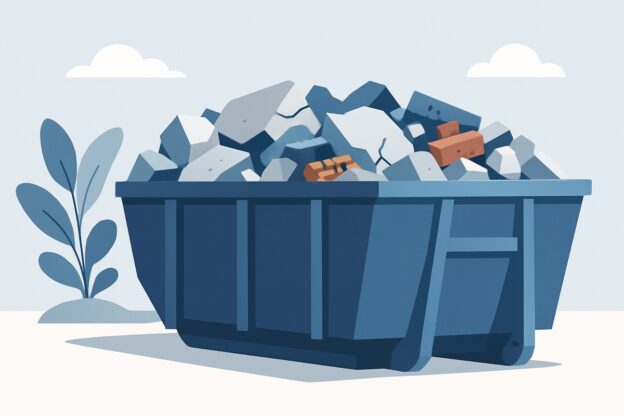
Disposing of drywall properly requires separating clean scraps—which many recycling centers and some landfills accept—from contaminated pieces containing lead paint, asbestos, or mold, which need specialized hazardous waste handling. Most homeowners underestimate how quickly drywall debris piles up during renovation work, and improper disposal can mean rejected loads at the landfill, contamination fees, or illegal dumping citations that start around $500 in many jurisdictions. The disposal method you choose depends on the drywall’s condition, your project size, and what facilities operate in your area, since acceptance policies vary widely between counties. Knowing how to dispose of drywall correctly from the start saves you from double-handling materials, paying surprise fees, or worse—leaving yourself liable for environmental violations. This guide walks through sorting techniques, explains where different types of drywall can legally go, covers the role of roll-off dumpsters for larger projects, and identifies the warning signs that mean you need professional abatement instead of standard disposal.
Renting a Dumpster for This Project?
For most of these jobs, a roll-off dumpster delivered to your driveway is the simplest, cheapest way to handle the haul. Compare local providers and get a free quote in minutes.
Find Dumpster Rental in Your City →
Why Drywall Disposal Requires Special Handling
Why Drywall Disposal Requires Special Handling
Drywall can’t simply be tossed in a regular trash bin because many municipalities classify it as construction debris with specific disposal requirements. The gypsum core breaks down under certain conditions to produce hydrogen sulfide gas, and the sheer volume generated during renovation projects often exceeds what standard waste collection will accept. These factors mean you’ll need to plan disposal methods before starting demo work.
Landfill Restrictions on Construction Debris
Most residential waste haulers won’t take drywall in curbside bins. The material is too heavy, too bulky, and typically arrives in quantities that exceed household waste limits. A standard bedroom renovation generates 800-1,200 pounds of drywall scraps—far more than what fits in a weekly trash pickup.
When you arrange a roll-off dumpster for construction debris, confirm whether the rental company allows mixed loads or requires separate containers for drywall. Some waste management facilities charge premium rates for construction materials or refuse them entirely. Check your local transfer station’s policies before loading. Certain counties ban drywall from general construction bins and mandate delivery to designated recycling centers. Ignoring these restrictions can result in rejected loads and additional hauling fees.
Environmental Concerns with Gypsum Waste
Gypsum becomes a problem when buried in oxygen-poor landfill conditions. Anaerobic bacteria convert the calcium sulfate in drywall into hydrogen sulfide, the same compound that gives rotten eggs their smell. In high concentrations, this gas is toxic and potentially explosive. It also corrodes landfill infrastructure, particularly the methane collection systems that many facilities rely on for energy production.
Paper backing adds another layer of complexity. The kraft paper attached to each drywall sheet contains organic material that contributes to methane generation as it decomposes. While a single sheet seems harmless, the construction industry generates roughly 15 million tons of gypsum waste annually in the United States. That volume makes proper handling a practical necessity, not just an environmental nicety. Several states now require contractors to divert gypsum waste from landfills entirely, pushing it toward recycling facilities that grind it into soil amendment or new drywall manufacturing feedstock.
Disposal Methods for Drywall Scraps
Disposal Methods for Drywall Scraps
Many recycling centers accept clean drywall scraps because gypsum can be processed into agricultural soil amendments, cement additives, and new wallboard. The key limitation: most facilities only take unpainted, uncontaminated sheets without nails, tape, or joint compound. Call ahead to confirm what your local center accepts — requirements vary significantly by region, and some only process materials from commercial contractors, not residential drop-offs.
Recycling Centers That Accept Gypsum Board
Start with your municipal waste management department’s website. About half of metro areas now list gypsum-accepting facilities in their recycling directories, often under “construction and demolition” or “special materials.” If nothing appears online, call the general recycling hotline — staff can tell you whether the main transfer station accepts drywall or if you need to visit a private facility.
Private recycling operations typically charge by weight or by load size. A pickup truck bed of clean scrap might cost $25-$75 at a dedicated C&D recycler, while mixed loads with other demolition debris run higher. The material must be free of asbestos, lead paint, and mold — contaminated sheets get rejected outright. Some centers want you to separate painted from unpainted pieces; others accept both but charge more for painted stock since it requires additional processing. Before loading your truck, remove all fasteners and tear off paper joint tape. These small steps make the difference between acceptance and refusal at the gate.
For larger renovation projects generating multiple truckloads, a roll-off dumpster often makes more sense than repeated recycling center trips. Many waste haulers now offer segregated dumpsters specifically for gypsum, which they route to recycling facilities rather than landfills. You’ll pay a premium over standard mixed-debris disposal, but it keeps material out of the waste stream without burning your entire weekend on dump runs.
Using a Roll-Off Dumpster for Drywall Removal
A roll-off dumpster handles drywall disposal efficiently for renovation projects generating more than a few sheets worth of waste. Order a 10-yard container for single-room demolition or a 20-yard for whole-house jobs. The dumpster stays on-site for your rental period—typically seven to fourteen days—letting you work at your own pace without multiple dump runs. Just break down large pieces, load them in, and the rental company hauls everything away when you’re finished.
Choosing the Right Dumpster Size
Match the container size to your project scope, not just the square footage you’re removing. A 10-yard dumpster holds roughly 1,000 square feet of half-inch drywall when broken into manageable pieces. That covers a 12×14 bedroom with ceiling removal. A 20-yard container accommodates 2,000-2,500 square feet—enough for gutting multiple rooms or an entire floor of a house.
Account for associated debris when sizing up. Demolition rarely involves just drywall. You’ll pull out baseboards, door trim, sometimes studs or insulation. A bathroom gut with tile, fixtures, and drywall needs a 15 or 20-yard dumpster even though the wall surface area seems modest. Better to have extra space than to pile waste outside the container or order a second delivery.
Loading Tips to Maximize Space
Break drywall into roughly 2×3-foot sections before tossing them in. Full sheets or long strips create air pockets that waste half your container capacity. Snap the pieces over your knee or step on them while they’re flat on the ground. Stack the broken sections flat along the dumpster walls rather than throwing them in randomly—you’ll fit significantly more.
Fill voids with smaller demolition debris. Chunks of broken drywall, trim pieces, and insulation scraps nestle into gaps between larger sections. Load the heaviest material first—wet drywall, metal studs if you’re removing them—to create a stable base. The weight limit on a 10-yard dumpster generally ranges from two to three tons, enough for standard residential drywall projects but a concern if the material got soaked from water damage.
What You Can and Cannot Mix
Most roll-off dumpster rentals accept general construction debris, which includes drywall alongside wood framing, carpeting, tiles, and metal. Confirm this when you book—some haulers charge extra for mixed loads or require drywall-only containers. The mixed-load option saves you from sorting on-site, a real advantage during full gut jobs.
Hazardous materials stay out no matter what. Paint cans, asbestos-containing materials, and certain adhesives can’t go in a standard dumpster. If your house predates 1980, test any joint compound or texture for asbestos before demolition. You’ll need a specialized abatement contractor if it tests positive. Also keep electronics, appliances, and tires separate—these require different disposal channels and will trigger additional fees if the landfill catches them in your load.
Preparing Drywall for Disposal or Recycling
Proper preparation makes drywall disposal faster, safer, and often cheaper. Remove all nails, screws, and metal corner beads before breaking sheets into manageable pieces. Separate clean drywall from contaminated material, keep painted and unpainted pieces apart, and remove any attached insulation or vapor barriers. This sorting step determines whether your material qualifies for recycling and affects disposal costs.
Breaking Down Full Sheets
Full 4×8 sheets are unwieldy and waste space in any disposal container. Score one side of the sheet with a utility knife, then snap it cleanly along the line. For demolition debris already in irregular pieces, break larger chunks into sections roughly 2-3 feet across. Smaller pieces stack more efficiently and reduce the risk of overloading a roll-off dumpster past its weight limit.
Stack broken pieces flat rather than standing them on edge. Vertical stacking seems space-efficient but creates voids that waste capacity. Flat stacking also prevents sharp edges from puncturing bags or damaging other materials if you’re combining loads.
Removing Fasteners and Metal Components
Nails and screws must come out before recycling. Recycling facilities rely on grinding equipment that jams or breaks when it hits metal fasteners. Even if you’re landfilling the material, protruding nails create safety hazards and make stacking difficult.
Pull fasteners as you remove drywall from studs when possible. Waiting until sheets are on the ground means hunting for individual nails in piles of debris. Metal corner beads, J-trim, and edge caps should be separated completely — they belong in metal recycling, not with gypsum. Paper-faced metal beads require extra attention since the paper backing can fool sorters into thinking the piece is all drywall.
Sorting by Contamination Level
Clean, unpainted drywall commands the highest recycling value and widest acceptance. Painted drywall gets accepted at some facilities but rejected at others, depending on local processing capabilities. Moldy, water-damaged, or lead-paint-era material (pre-1978 construction) requires separate handling and typically goes to landfills.
Create distinct piles during demo: one for clean white board, one for painted surfaces, and one for anything questionable. Mixing contaminated pieces with clean material downgrades your entire load. A single moldy sheet can disqualify a whole dumpster rental from recycling programs. If you’re unsure about contamination, treat the material as non-recyclable rather than risk rejection fees at the facility.
Ready to get started?
Find a Dumpster Near You